




RIGHT, WRONG, OR FULL OF POSSIBILITIES?
The journey to design-led thinking at West View Primary School (WVPS) shows how a culture of curiosity and inquiry benefits educators as much as students. Transforming the school’s signature VIEWAN XP programme shaped an inspiring and inclusive experience for all.
WVPS students experiment with hands-on tools as a way of exploring multiple possibilities and thinking divergently and explore multiple ideas before converging on a solution. Photo by West View Primary School.


07 Aug 2026


Problem Statements
1
How might educators move from being instructors who provide solutions to facilitators who guide discovery through curiosity?
2
How might students be empowered to take the lead in their learning through creativity and empathetic problem-solving?
As part of WVPS’s signature programmes, VIEWAN XP has been running since 2017. It began as an interdisciplinary project with a focus on the integration of subjects. While students could work collaboratively in groups, outcomes were mostly derived through directions from educators.
As education shifted towards the development of Emerging 21st Century Competencies (E21CC), WVPS could see that VIEWAN XP also needed to evolve. There needed to be a greater emphasis on student initiative, voice, and choice.
Educators wanted to empower students to take ownership of their ideas and learning process. But if they were to successfully build a culture of curiosity at the school, educators first had to change their approach. And to do that, uncertainty about how to facilitate open-ended learning had to be overcome.
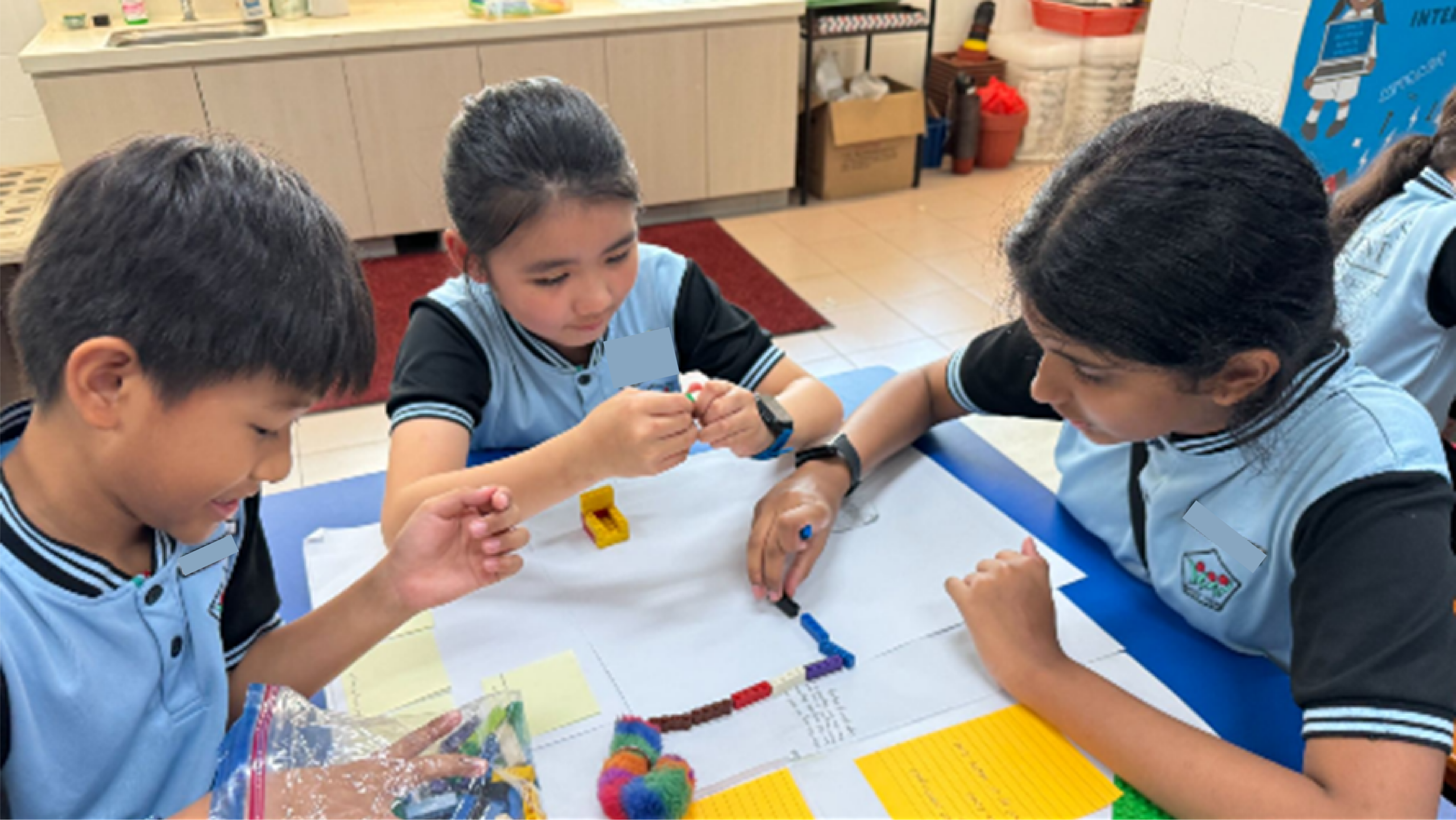
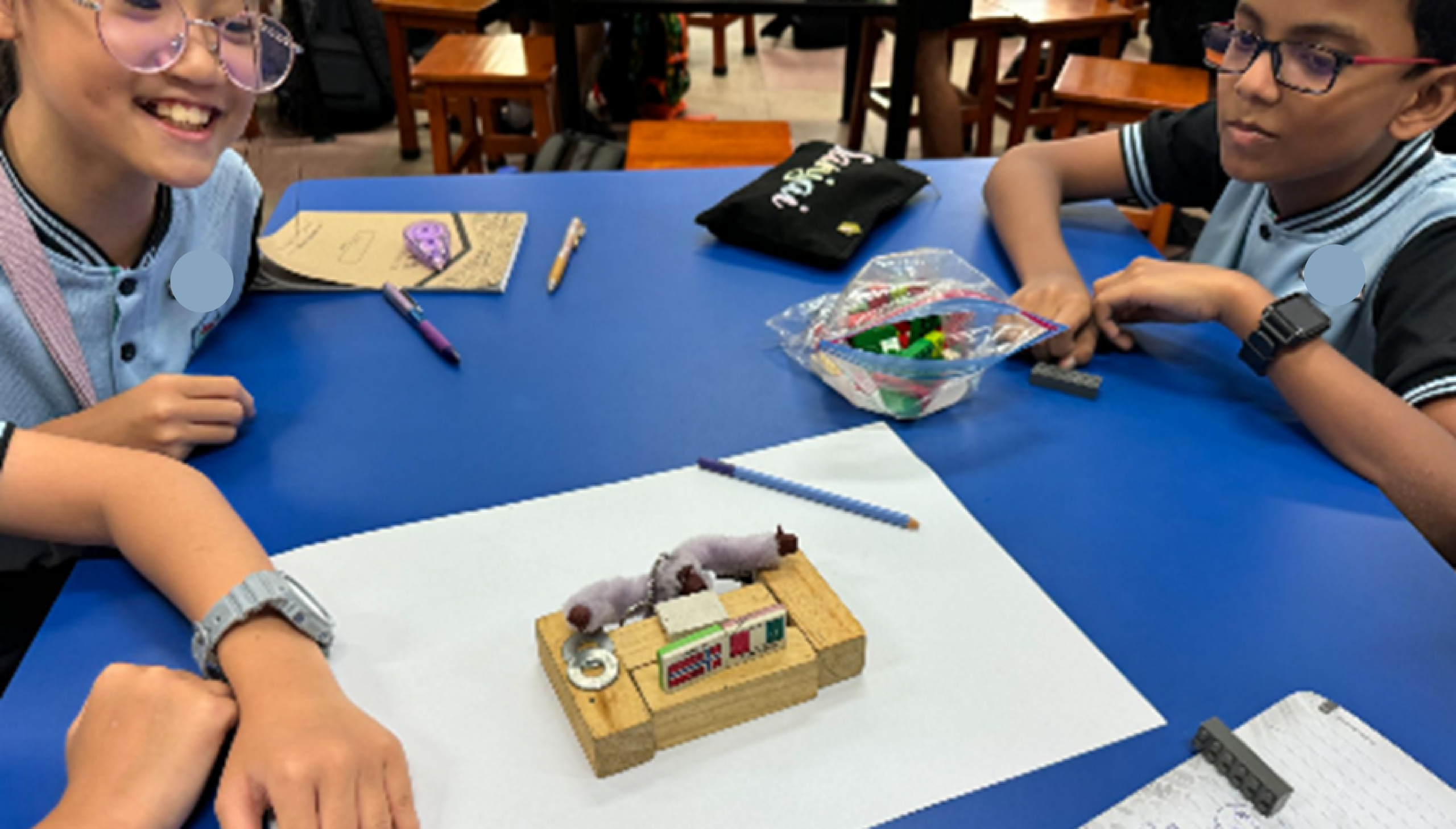
Students in the ideation stage use LEGO blocks to visualise and test ideas. Photo by West View Primary School.

The school partnered with education platform EYEYAH! [through the DesignSingapore Council’s Learning by Design initiative] to equip educators with a design mindset. Through professional development sessions, the EYEYAH! team led educators toward a courageous spirit of inquiry.
For some, it was brand new territory. They were used to ensuring every pupil produced the same outcome. But through the design thinking journey, they came to appreciate that curiosity is not just a trait for students; it is a mindset that drives creativity, exploration, and reflective practice in teaching as well.
As they engaged in discussions, educators began sparking each other’s curiosity by asking thoughtful questions – not just about lesson content, but about how pupils think, learn, and respond. This process helped them realise that learning begins with curiosity, and inquiry is the pathway to deeper understanding.
Jeremy See
Design Thinking Core Team Educator
The sessions motivated teachers to experiment with new pedagogies and creative ways to engage pupils. They engaged in cycles of trying, observing, and refining. Reflections and discussions after lessons became opportunities to ask, “What worked? What might we try next?” Educators began to see that they could be co-learners, exploring alongside their students instead of simply providing answers.
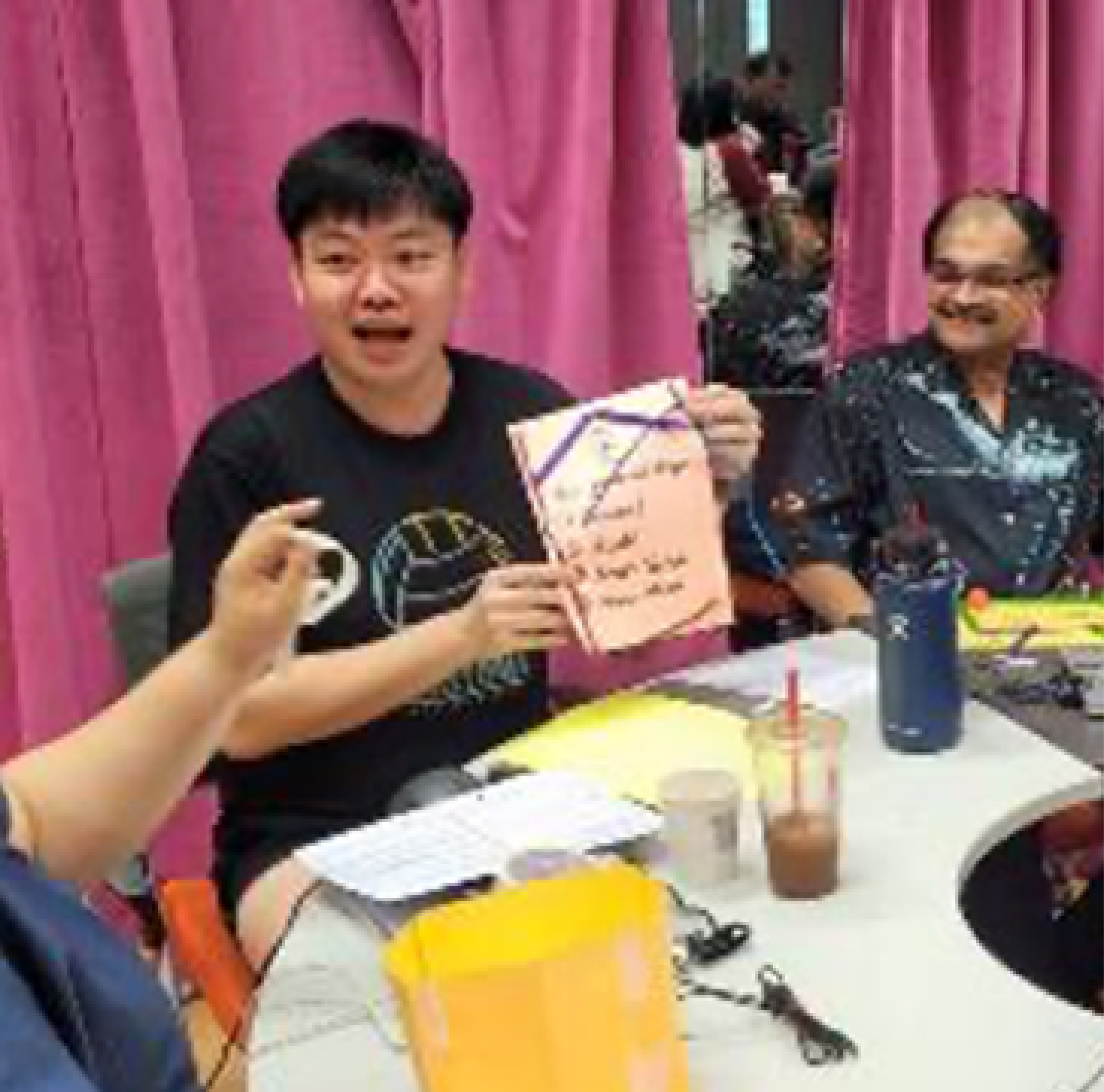
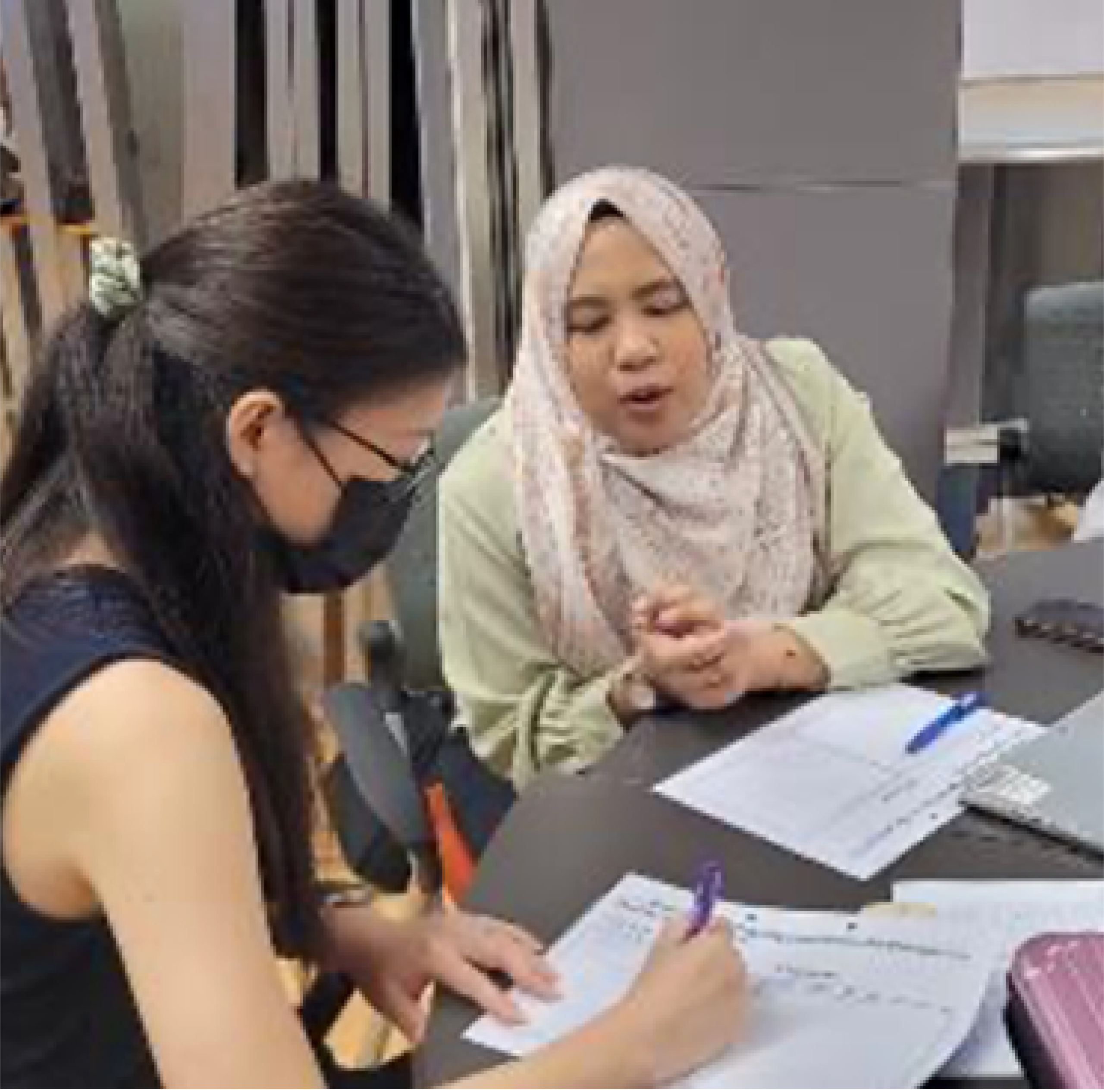
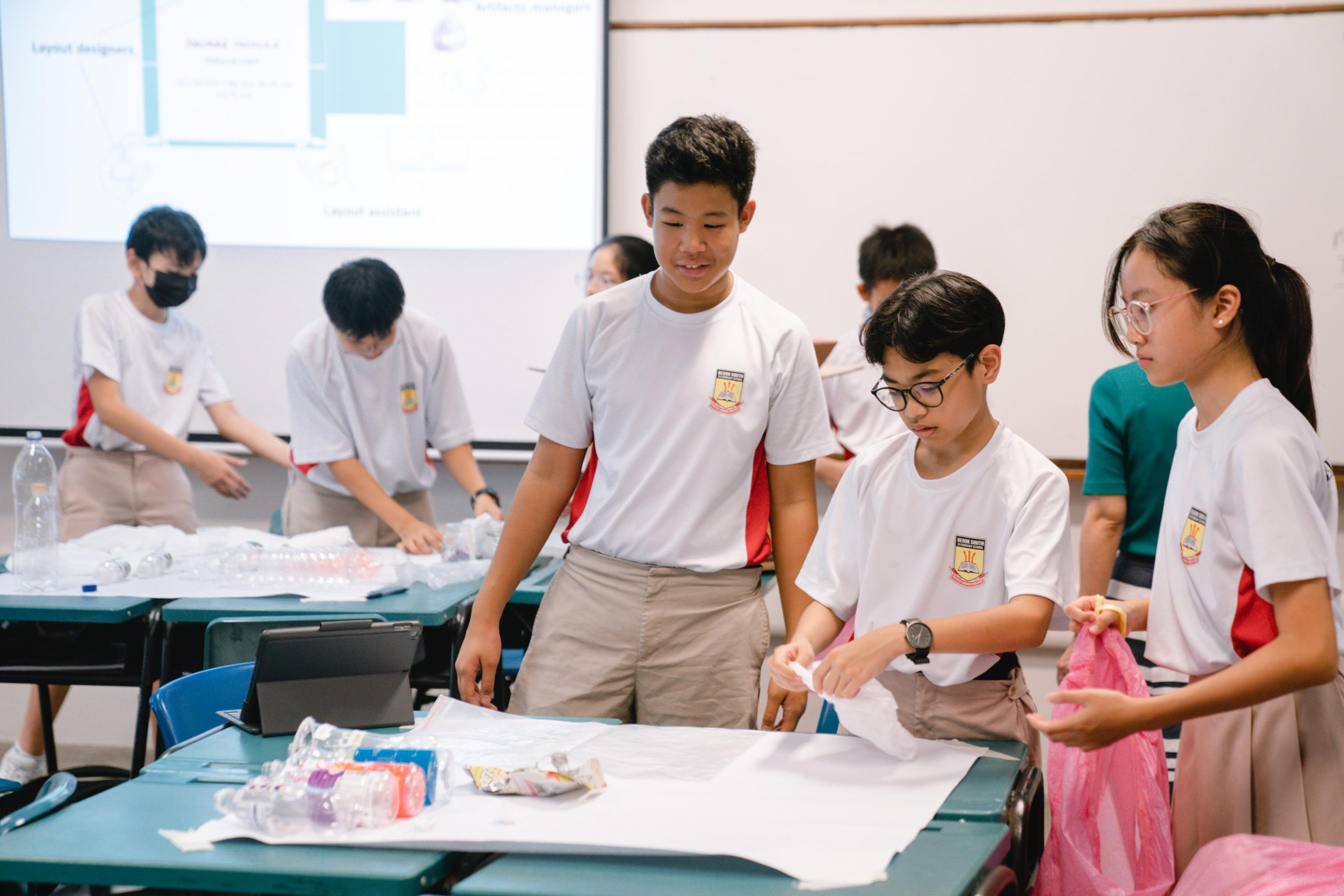
During professional development sessions facilitated by EYEYAH!, educators learned design thinking skills and discovered the value of curiosity. Photos by West View Primary School.
The redesigned VIEWAN XP programme progressively develops a design mindset in students from Primary 1 to Primary 6. Empathy building is the focus for Primary 1 and 2 students. In Primary 3 and 4, problem definition and ideation are introduced. By Primary 5 and 6, students are also prototyping and testing their ideas, thus engaging in the full design thinking process.
A focus on environmental sustainability provides an authentic context that encourages students to ask meaningful questions about the world around them. Questions such as “How do we reduce energy use in school?” and “How can we save water at home?” ignite their curiosity about how things could be improved.
WVPS educators developed a pathway for curiosity to flourish through VIEWAN XP. Before they begin the programme, students are first given hands-on learning experiences related to environmental sustainability. Activities and excursions allow them to observe problems firsthand and make their own discoveries.
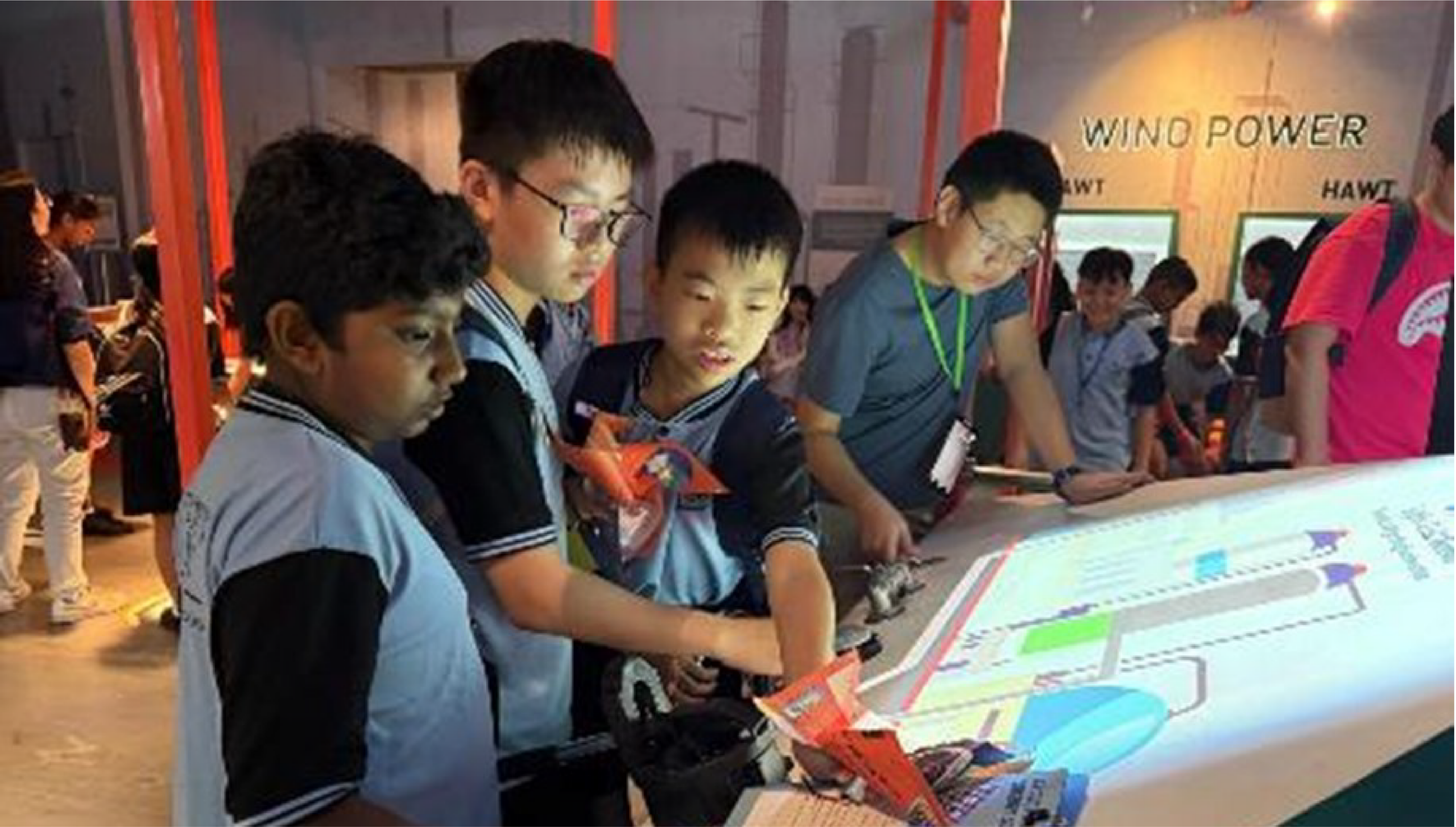
Students’ natural curiosity is kindled through hands-on learning experiences, such as this trip to Singapore Science Centre. Photo by West View Primary School.
During the empathy stage, curiosity is expanded as students develop a deeper understanding of people, their real needs, and the possibilities around them. Authentic conversations encourage them to ask questions, listen actively, and dig deeper into others’ perspectives.
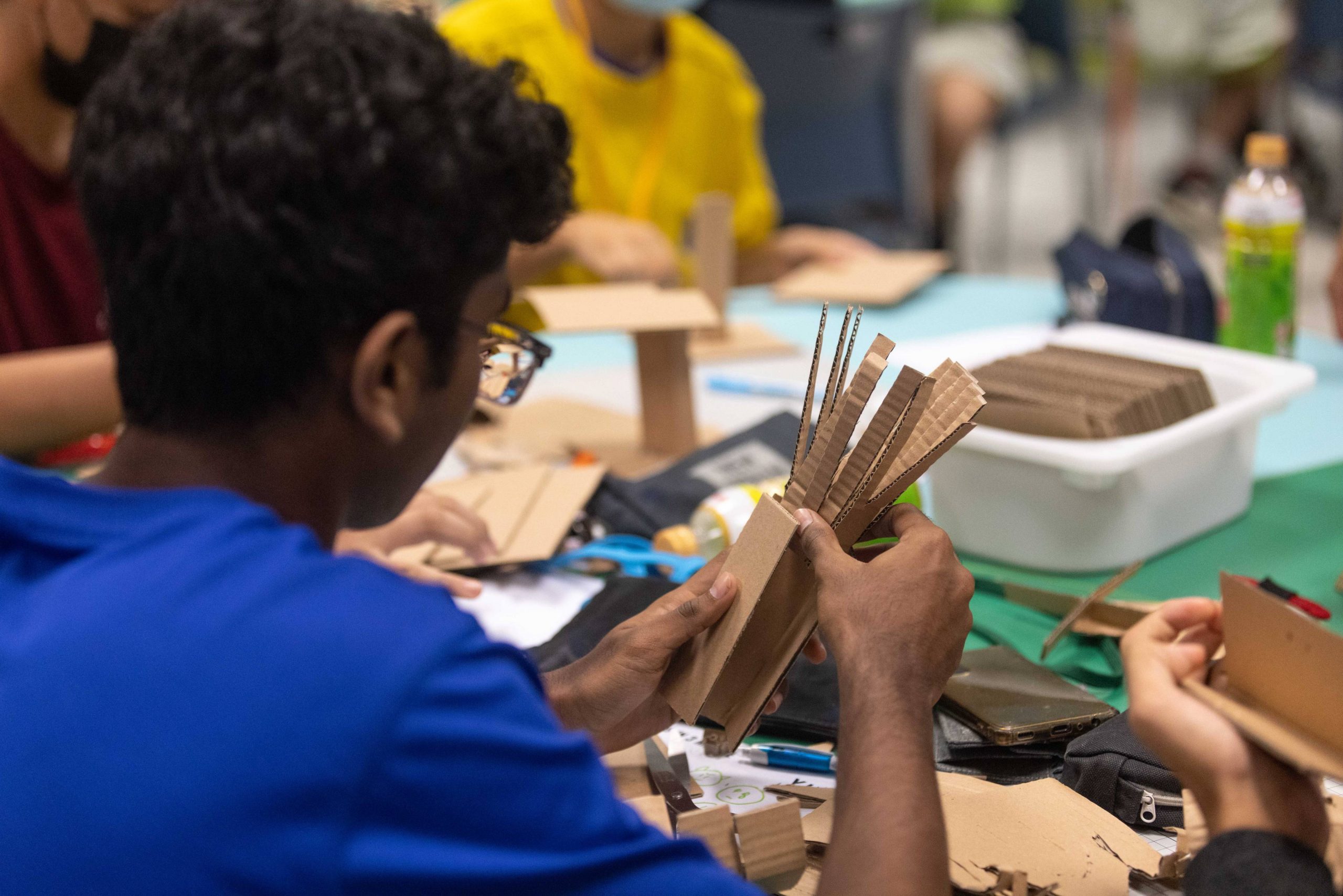
In the ideation stage, manipulatives become a valuable tool. Models and tangible materials help students to visualise, test, and creatively refine their ideas. The hands-on process encourages deeper engagement and helps students develop a more inquisitive and inventive mindset.
In the prototyping and testing stage, students co-create in teams to openly discuss ideas and refine prototypes together. They mirror the collaborative approach taken by educators, who co-design lessons, share reflections, and iterate their facilitation strategies.
Through this experience, students learn that curiosity is a catalyst for purposeful and innovative problem-solving. Instead of completing tasks merely to meet expectations, they became more driven by purpose.
Jeremy See
Design Thinking Core Team Educator
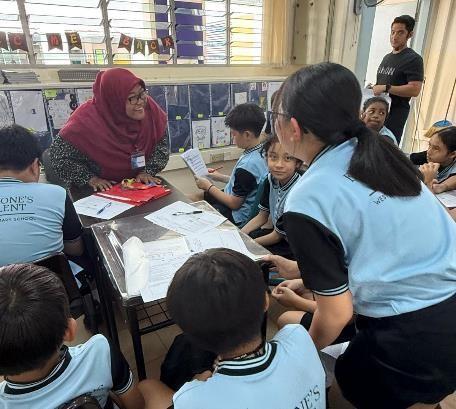
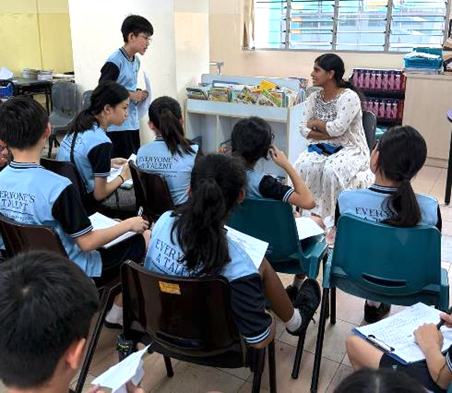
During the empathy stage, students interview parents and school staff to unearth a deeper understanding of needs. Later, parents are also engaged as an audience for student presentations of their prototypes. Photos by West View Primary School.
1
Balance guidance and independence

Too much guidance from educators risks stifling students’ curiosity; too little can leave them uncertain; and
At WVPS, finding this balance was part of educators’ professional growth.
2
Role-model a depth of inquiry
Students may initially struggle to ask probing questions;
Educators at WVPS model how to dig deeper, encouraging “why” and “how” questions that uncover meaningful insights; and
This process sharpens questioning skills for both educators and students.
3
Adopt an iterative mindset
Educators and students need to embrace a mindset that values experimentation and learning from mistakes; and
At WVPS, moving away from a product-focused mentality to a process-oriented one took time, but ultimately nurtured curiosity, perseverance, and adaptability.
4
Consider time and cognitive load
The design thinking process requires reflection, exploration, and iteration. All of this will strengthened over time; and
WVPS educators learned to integrate design thinking meaningfully within existing curriculum structures while keeping pupils engaged and reflective.
5
Ensure teacher readiness and confidence
Some educators may lack confidence when shifting from traditional lesson delivery to facilitating open-ended inquiry; and
The professional learning sessions for WVPS educators helped them become more curious by observing, questioning, and learning alongside their students rather than directing from the front.
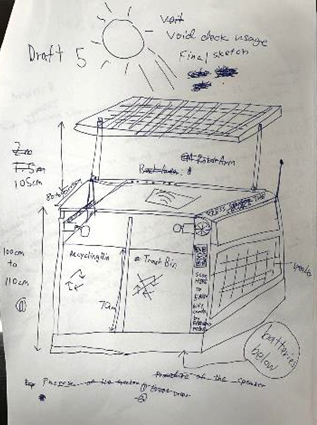
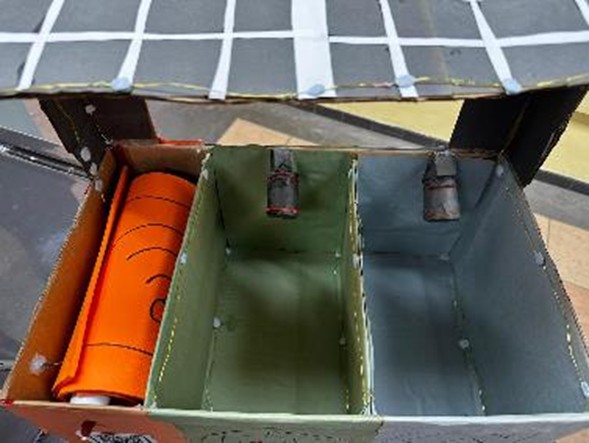
A drawing and prototype for a solar-powered recycling and rubbish bin that communicates with its users. It was designed by Primary 6 students. Photos by West View Primary School.
1
Learning environment
Culture of curiosity, inquiry, collaborative problem solving, and collective creativity across the school community;
Learning connected to real-world challenges and values inculcation;
Learning designed to connect knowledge with character formation; and
Promoting comfort with ambiguity, and valuing the process over the product.
2
Ecosystem support
Industry partnership with EYEYAH! to enable capability building for educators;
Collaborative planning for educators; and
Whole-school approach with leadership support.
3
Pedagogy
Empathy at the heart of learning – and teaching;
Hands-on experiential learning;
Shift from providing solutions to guiding discovery;
Experimentation with new pedagogies and cycles of refinement; and
Explicit teaching of collaboration skills.