





SPARK INNOVATION BY EMPOWERING EDUCATORS
A culture of innovation at school builds the creative confidence of the next generation. At Queenstown Primary School (QTPS), educators developed their design thinking skills to become inspiring role models of innovation for their students.
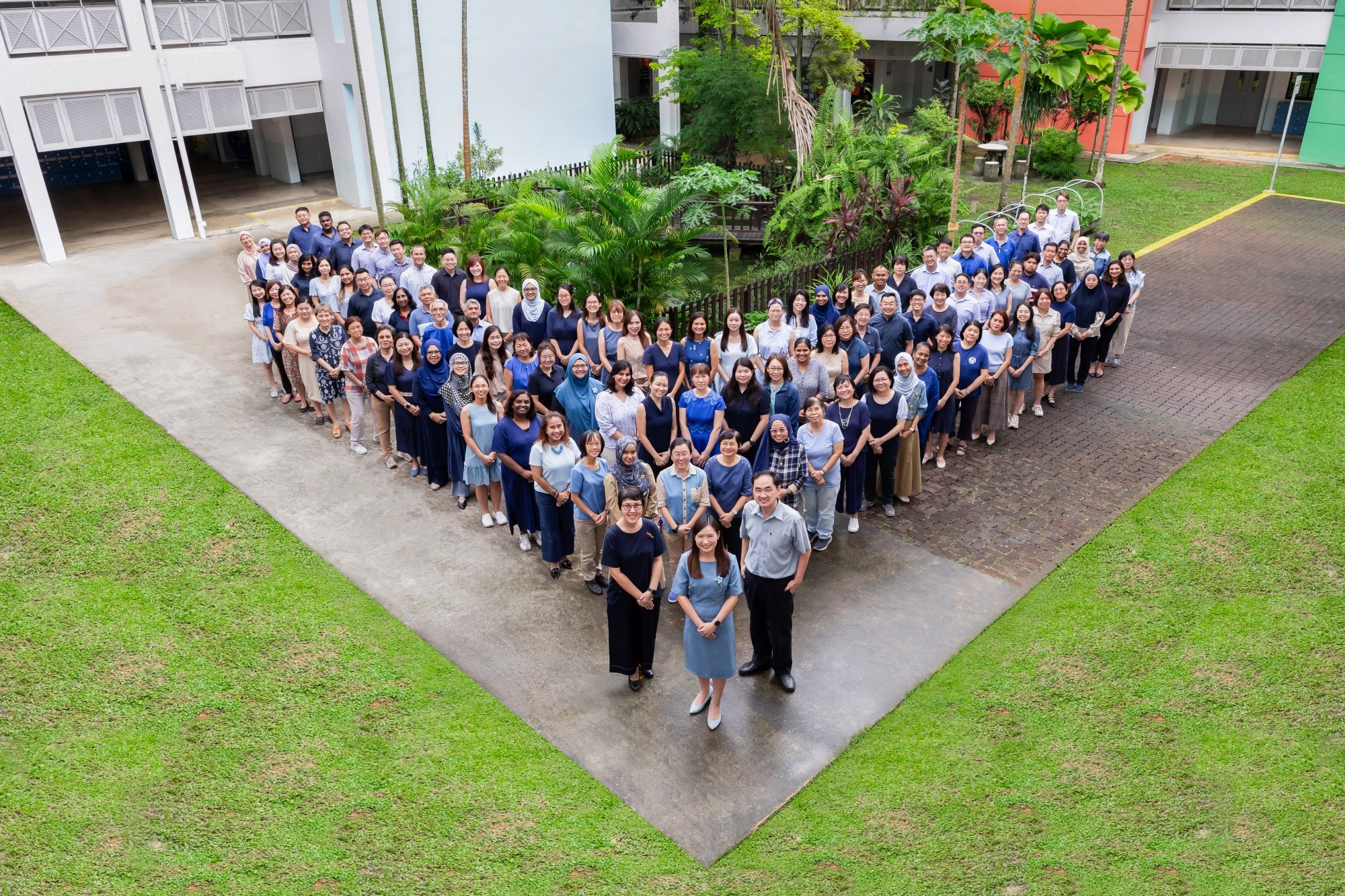
Empowering educators to inspire change in their classrooms. Photo by Fotohub.


Problem Statements
1
How might we empower educators to take an innovative approach to teaching and learning, student well-being, and administrative processes?
If students are to confidently ride the waves of change in the 21st century, they’ll need to respond innovatively to the unknown challenges that lie ahead. Schools must be primed to nurture changemaker qualities and inventive problem solving. As QTPS discovered, empowered educators are the first step towards innovation-ready citizens of tomorrow.
With the support of the DesignSingapore Council’s Learning by Design initiative, the school embarked on an insightful discovery project alongside design industry partner STUCK Design. Together, they explored the foundations of design thinking before diving into in-depth consultations on applying these concepts to specific innovation challenges.
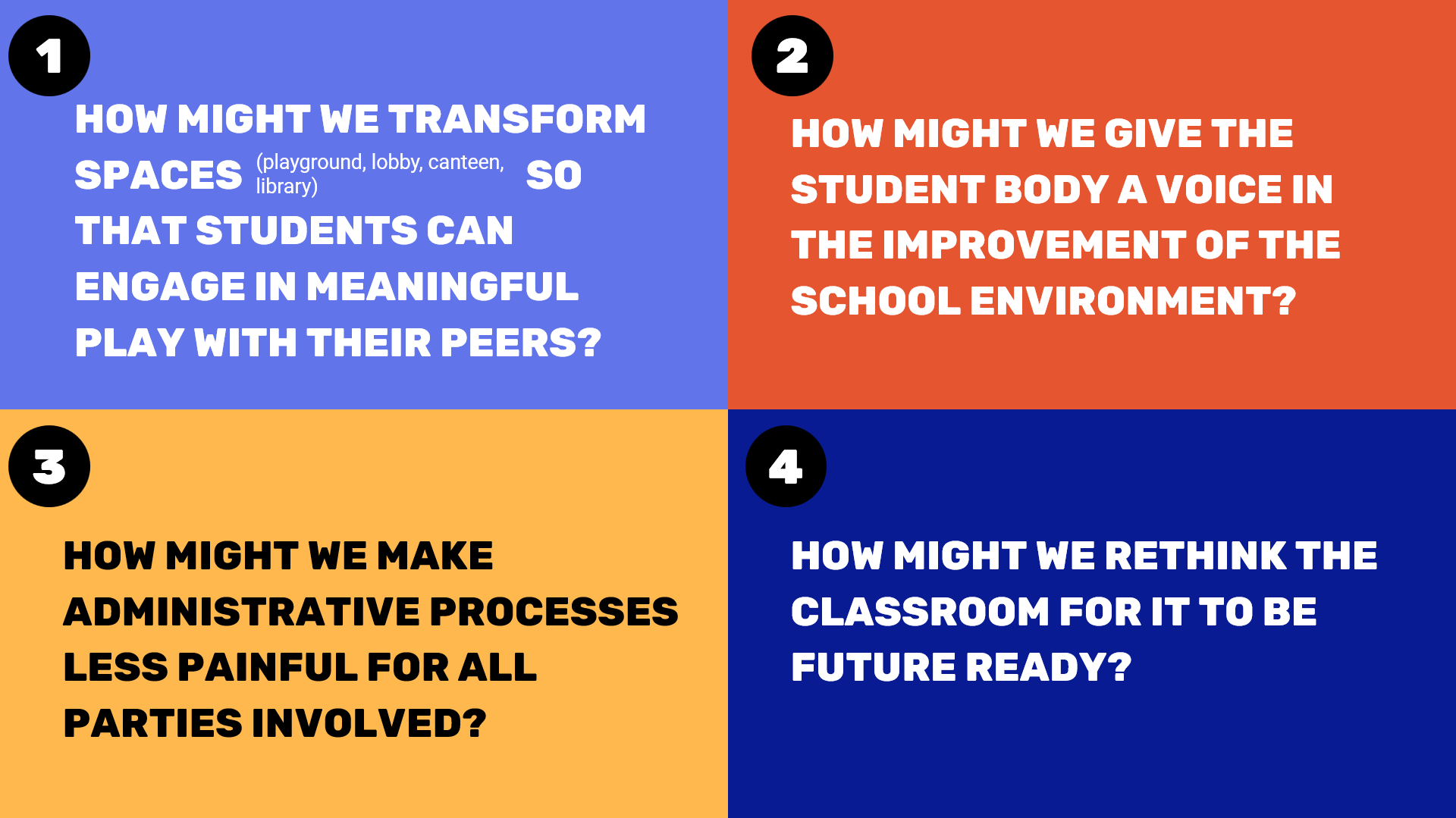
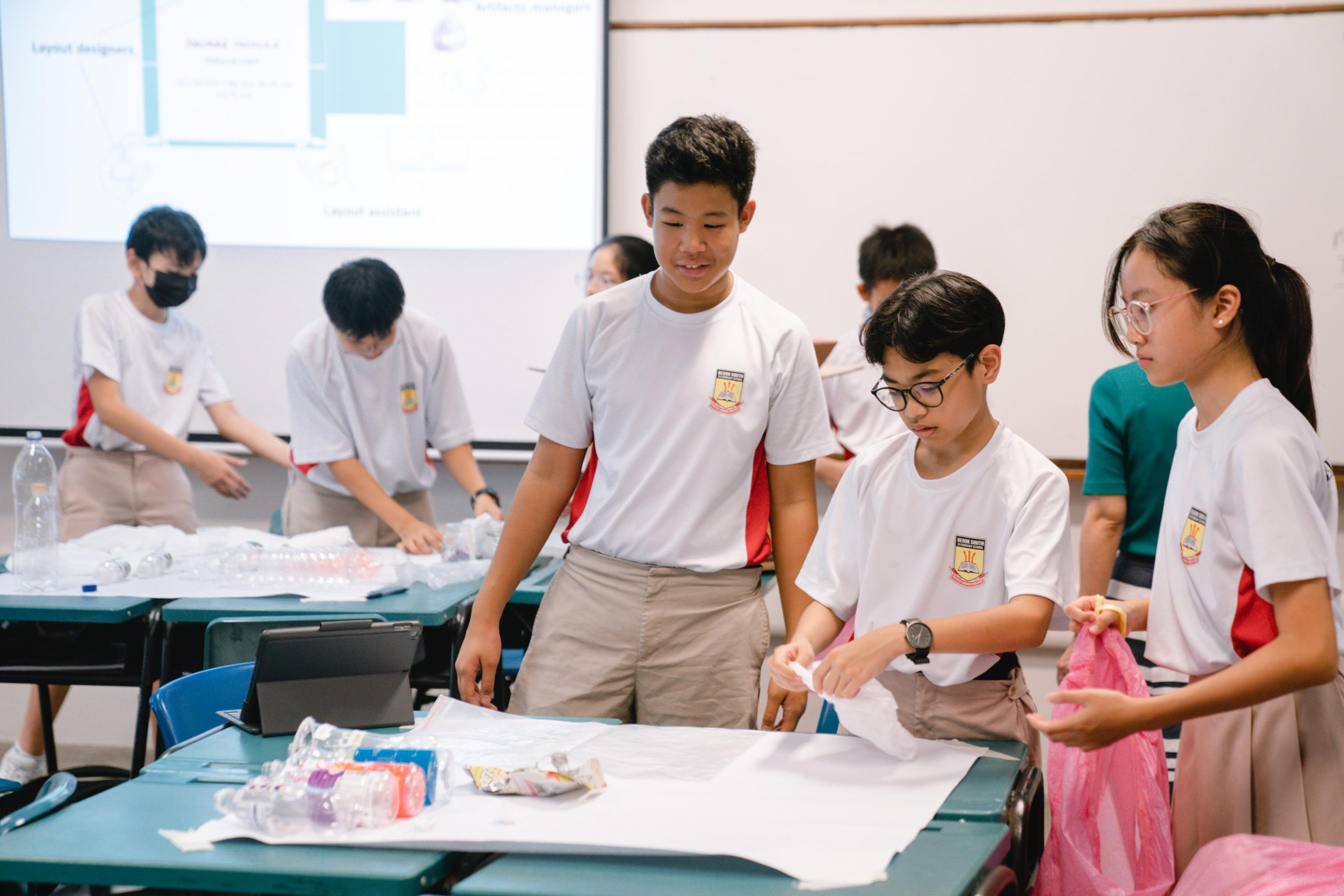
With guidance from STUCK Design, QTPS educators developed a common language for innovation in the areas of student well-being, administration, and teaching and learning. Image courtesy of QTPS.

Educators were organised into four project groups. Each of them prototyped experiments to improve processes. The experience was encouraging, yielding clear outcomes aligned with QTPS’ goals for a culture of innovation. Along the way, students were able to practice design mindsets such as curiosity, too!
Group 1: Teaching and Learning
• They prototyped a future-ready classroom focusing not just on the physical space, but also on social-emotional well-being and pedagogical innovation.
• Their three prototype experiments are now serving as foundations for future scaling.
Group 2: Student Well-being – Meaningful Play
• They created conditions for students from different classes to engage in inventive, collaborative play through the strategic placement of new play equipment.
• Lower primary students responded creatively, engaging enthusiastically and collaboratively with the new play equipment.
• QTPS is now expanding Meaningful Play by developing structured programmes that foster emerging 21st-century competencies.
Group 3: Student Well-being – Engaging Student Voice
• They explored the empowerment and agency of students by giving them more influence over decisions that affect them.
• They worked successfully with the Children’s Day committee to involve students in selecting performances for the celebration.
Group 4: Administration
• They piloted more efficient administrative processes that eliminated unnecessary follow-up tasks.
• The dismissal jingle they introduced for co-curricular activities improved attendance sheet submission rates.
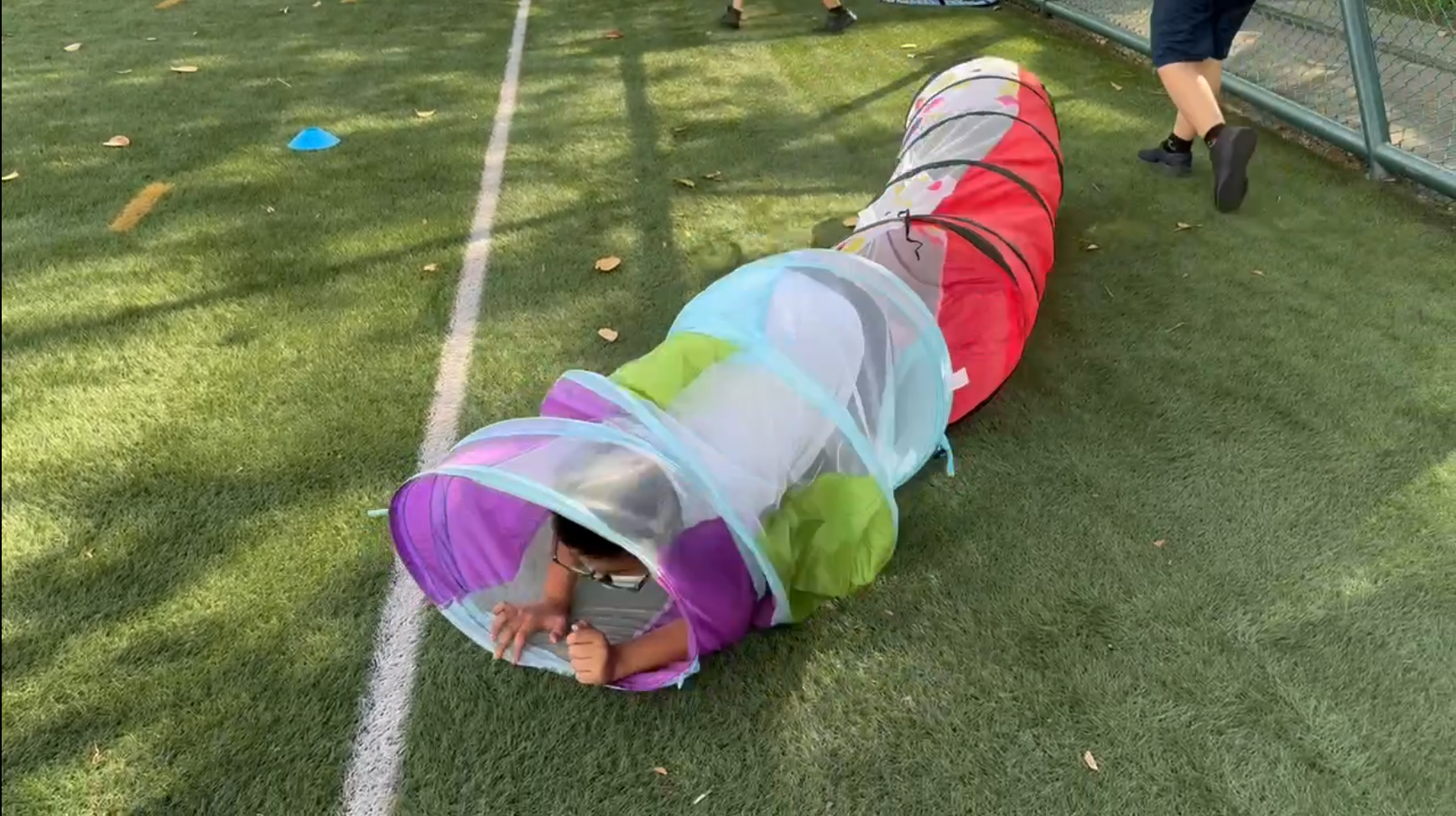
Lower primary students enthusiastically engaged with equipment introduced in the ‘Meaningful Play’ experiments. Photo by Muhammad A’srie.
The initiative’s success stemmed from strategic planning and strong school leadership support, alongside STUCK Design’s ability to facilitate mindset shifts among educators. This empowered them to overcome conceptual, operational, and budget challenges.
Using empathy to understand the daily challenges faced by educators, STUCK Design helped them break away from familiar methods through curiosity-driven tools such as “How might we…” statements and “constructive complaining”.
Courage and tenacity were cultivated when STUCK Design urged time-pressed educators to reframe their approach to project work. They were encouraged to start with “lousy,” “silly,” or “absurd” ideas, which generated faster, more iterative results. STUCK Design assured that even failed ideas could yield valuable insights – and they did.
Optimism came into play when STUCK Design encouraged educators to work creatively with existing budget resources. This limitation proved to be a hidden strength, as it spurred resourcefulness and innovation. Now that’s design thinking in action.
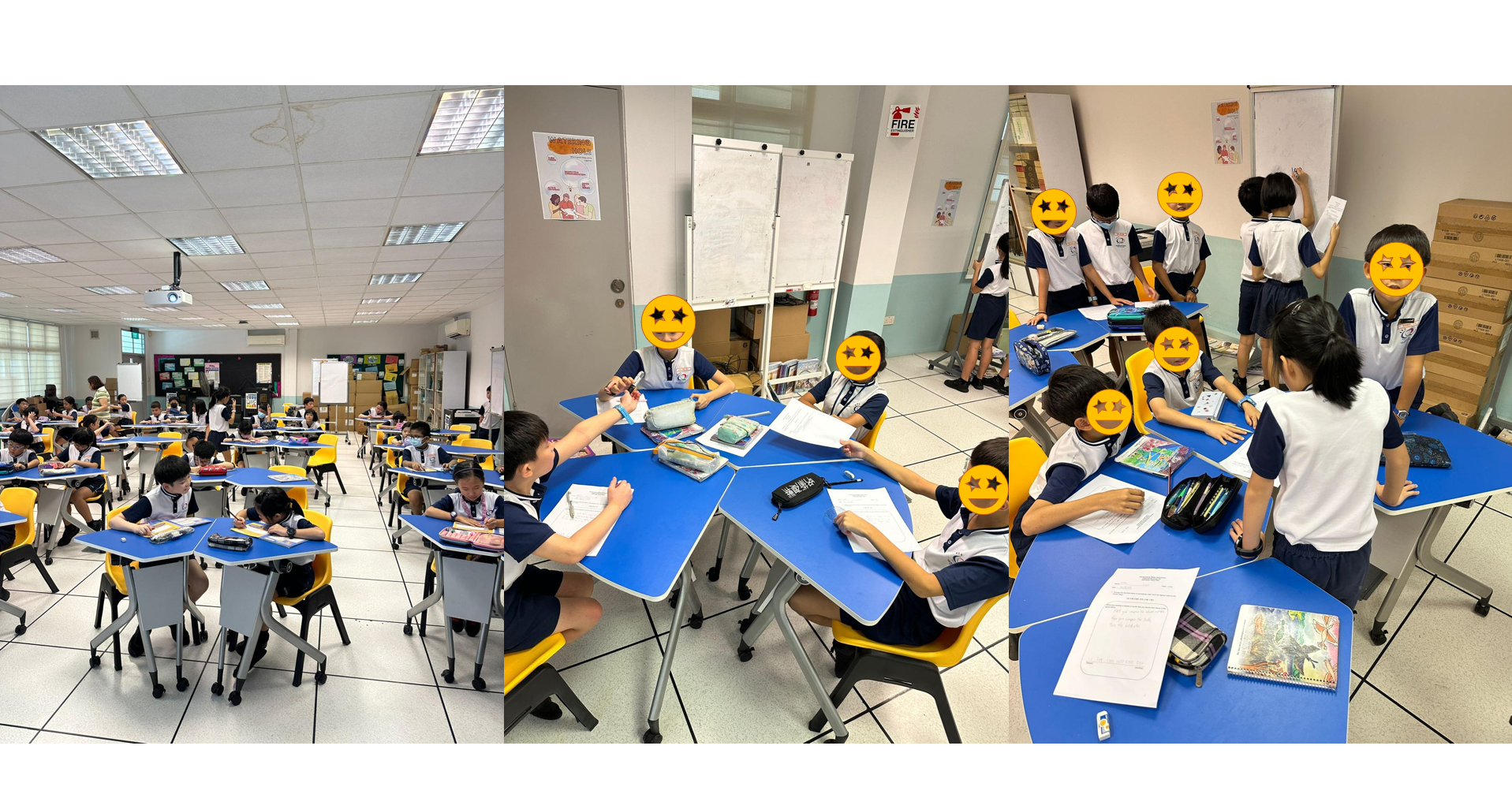
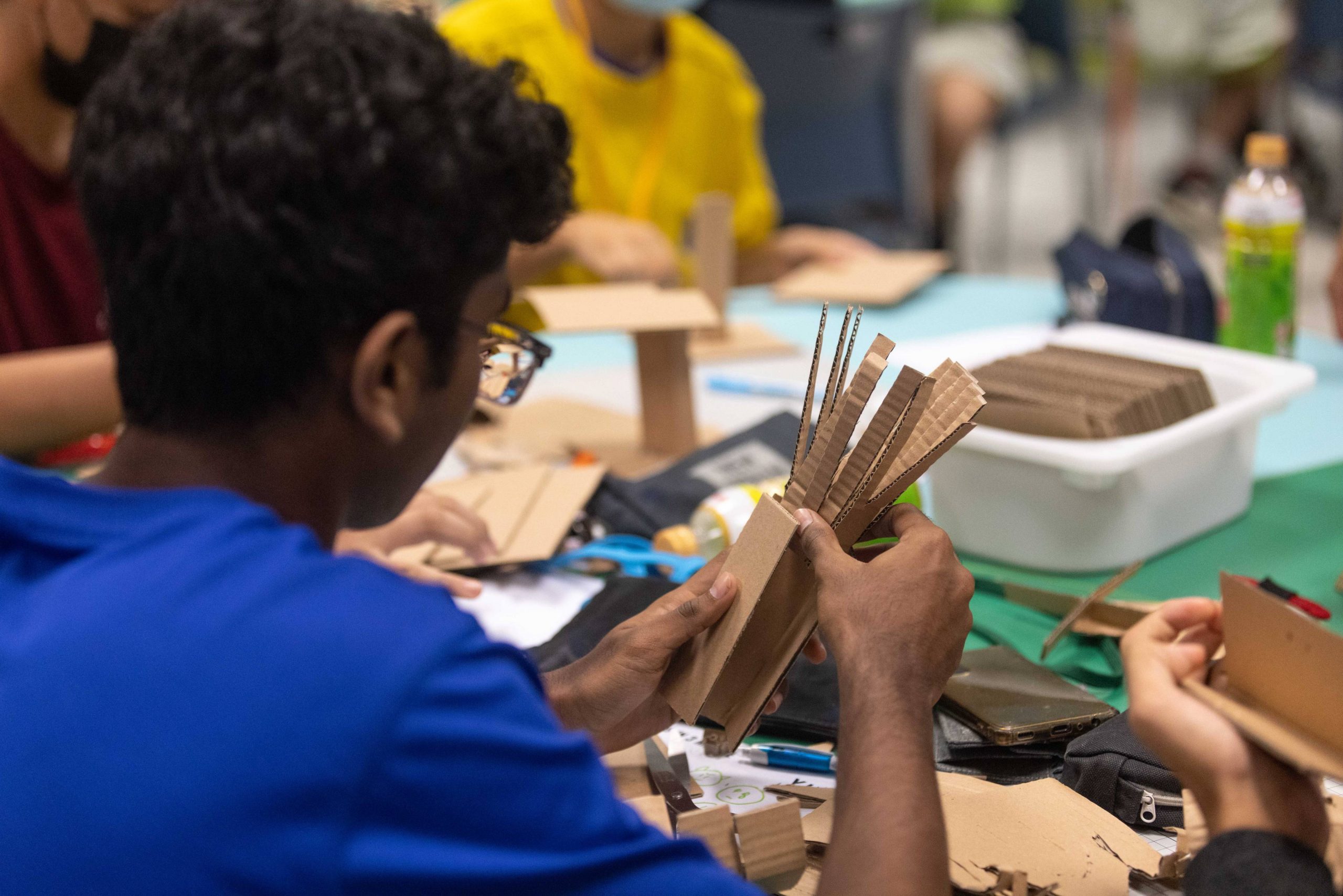
The ‘Future-ready Classroom’ experiments generated ideas that the school is scaling up. Photos by Gabriel Lee.
Learning environment
• Prototype experiments for learning space design and social dynamics; and
• Prototype experiments for student play and agency.
Ecosystem support
• Cultivating a culture of innovation with educators leading the way with experimentation;
• Industry partnership with STUCK Design;
• Capability building for educators;
• Staff working groups with support from school leadership; and
• Administrative process reform to speed up payments to coaches and instructors for co-curricular activities.
Pedagogy
• Prototype experiments for pedagogical approaches; and
• Expansion and scaling of successful prototypes.


Programme Partner

STUCK Design
School
Queenstown Primary School