




What if our toughest struggles were actually our greatest teachers?
For the Secondary 2 students of Nanyang Girls’ High School (NYGH), their commitment to two years of maker training had translated into purposeful action. With tenacity as their compass, setbacks became stepping stones.
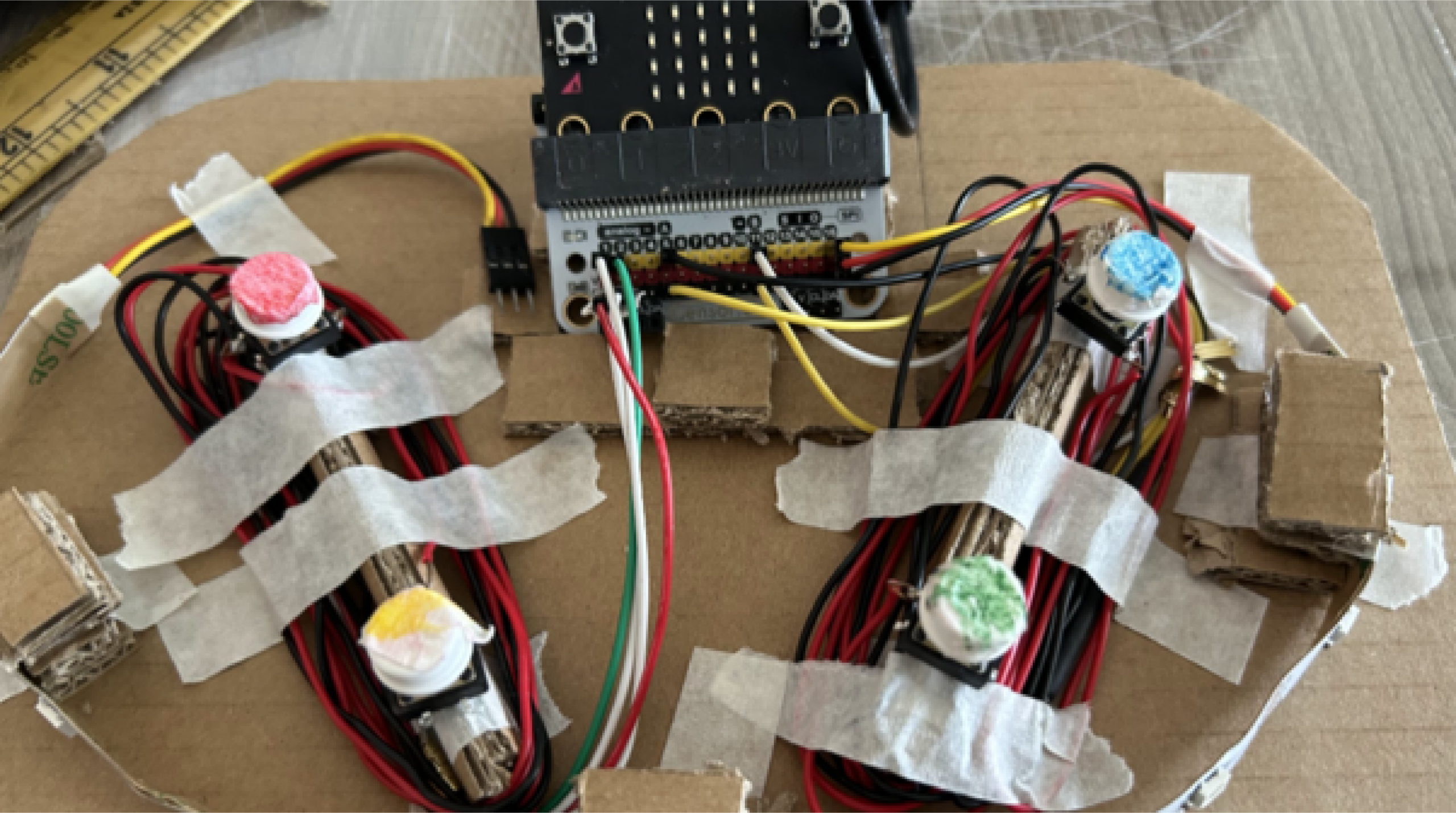
Design thinking and making skills enabled a group of Secondary 2 students from NYGH to create a memory game, despite not having any coding skills prior. See the finished prototype below. Photo by Nanyang Girls’ High School.


08 Aug 2026


Problem Statements
How might we shape makerspace education to support the growth of design mindsets?
Picture this: You’ve just entered Secondary 1 at NYGH and found out that for the next two years, you’ll be having makerspace education. To be honest, you’re not entirely sure what a makerspace is, or what could you possibly be doing there for the next two years?
That question was soon answered with impressive details: cardboard construction, prototype building, carpentry, the design thinking process, micro:bit coding, basic electronics, and budgeting.
It sounded like a lot… You’re nervous, but the educators seemed confident and flexible. You would soon realised that pressing on with determination could enable you to understand any challenges with new perspectives.
The light-copying memory game incorporates a micro:bit, a flashing light strip, and coloured buttons set into an outer casing. Photo by Nanyang Girls’ High School.

Congratulations! You’re on your way to acing your makerspace education! Your tenacity will be an ideal ally as you progress through the triumphs and setbacks of learning new skills.
If there’s one thing that both students and educators at the NYGH makerspace have figured out, it’s that failure is inevitable. When things don’t work out the way you had hoped, learning from the lessons would also be valuable.. Where are the gaps? Where do you need more support? What would help you improve?
The two-year programme was co-developed by NYGH and The Common Bench. and is framed by design thinking and rapid prototyping. With the try-test-iterate cycle, students learn to embrace ambiguity, learn from failure, and drive new ideas into working solutions.
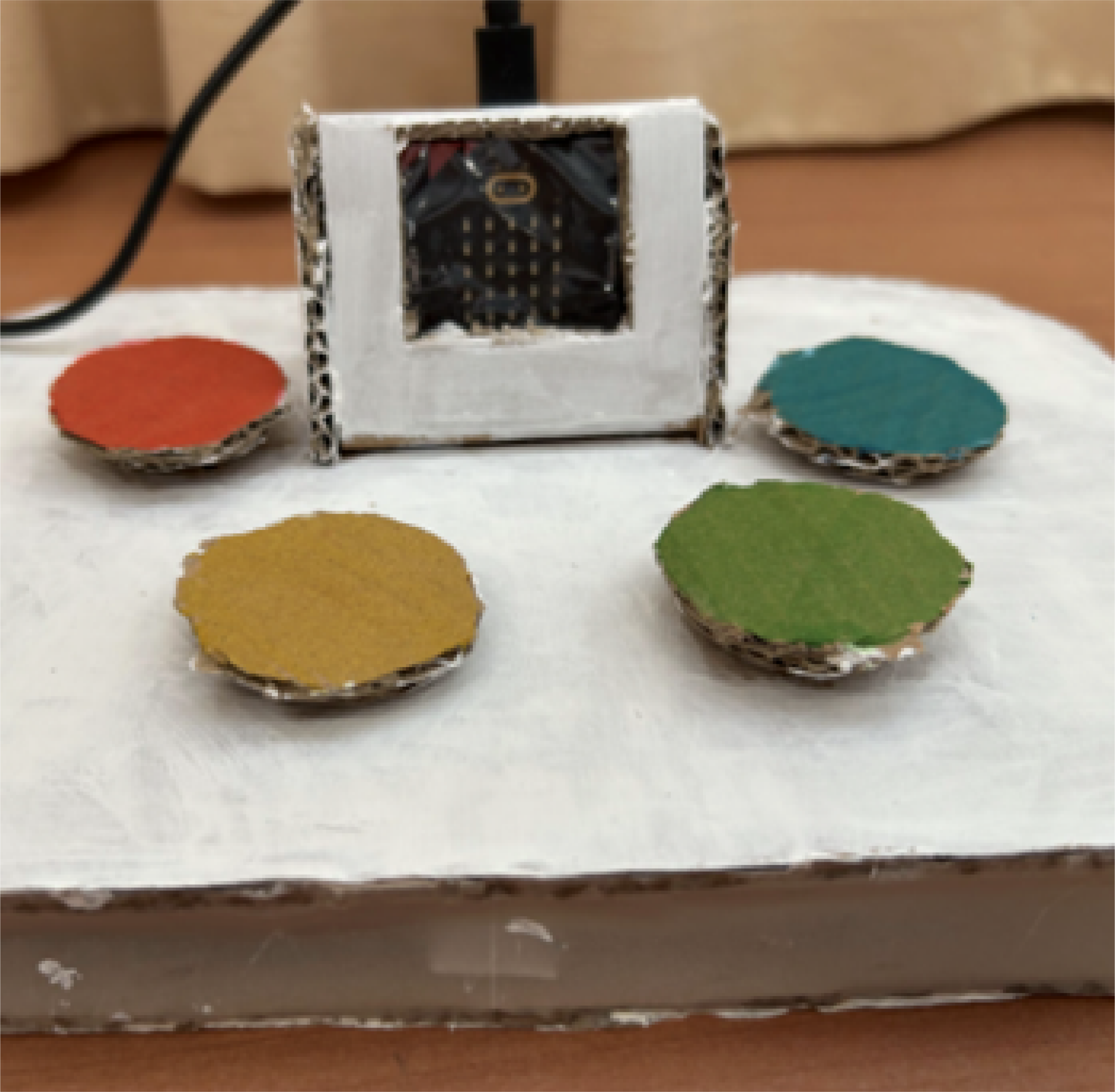
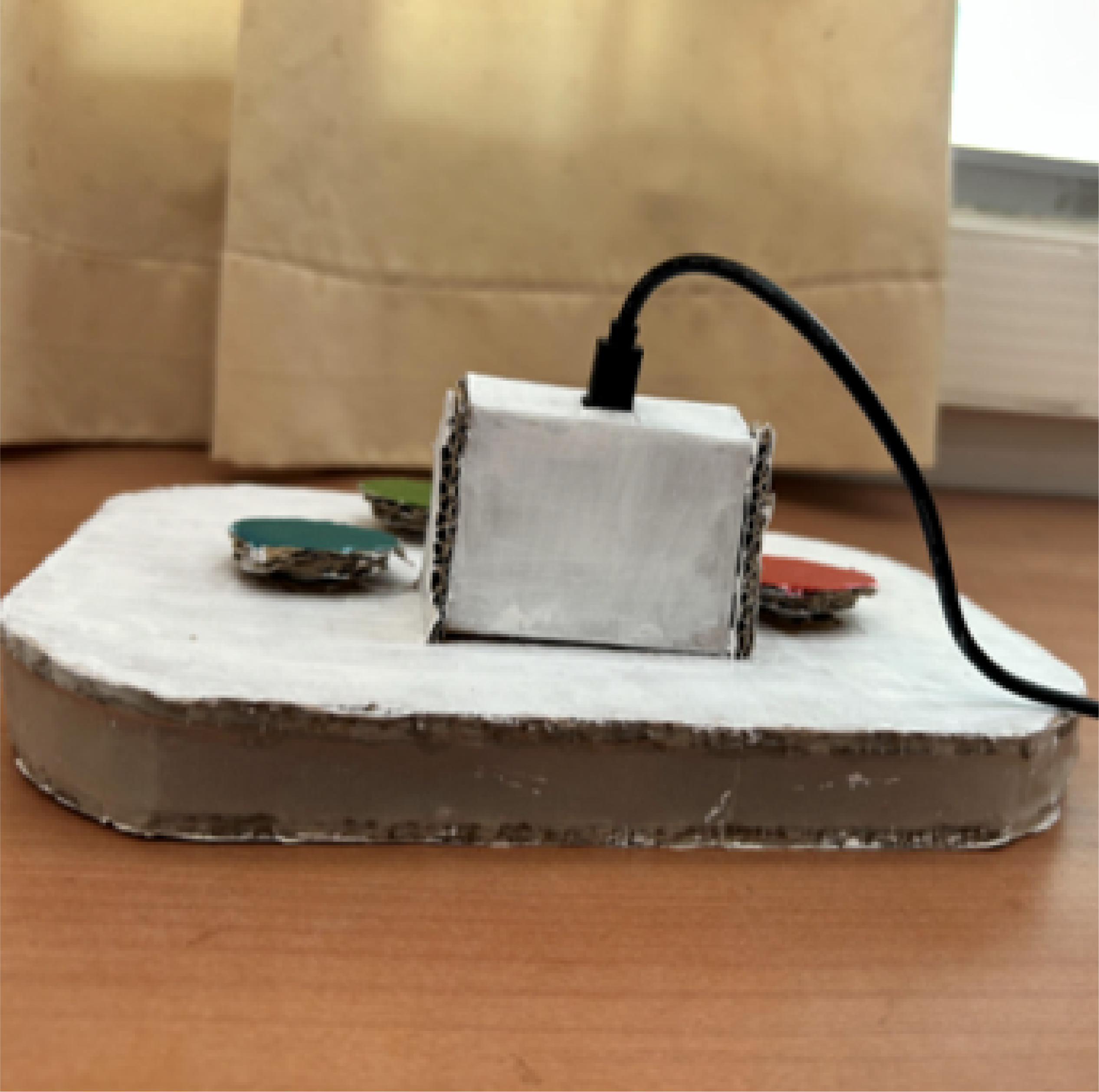
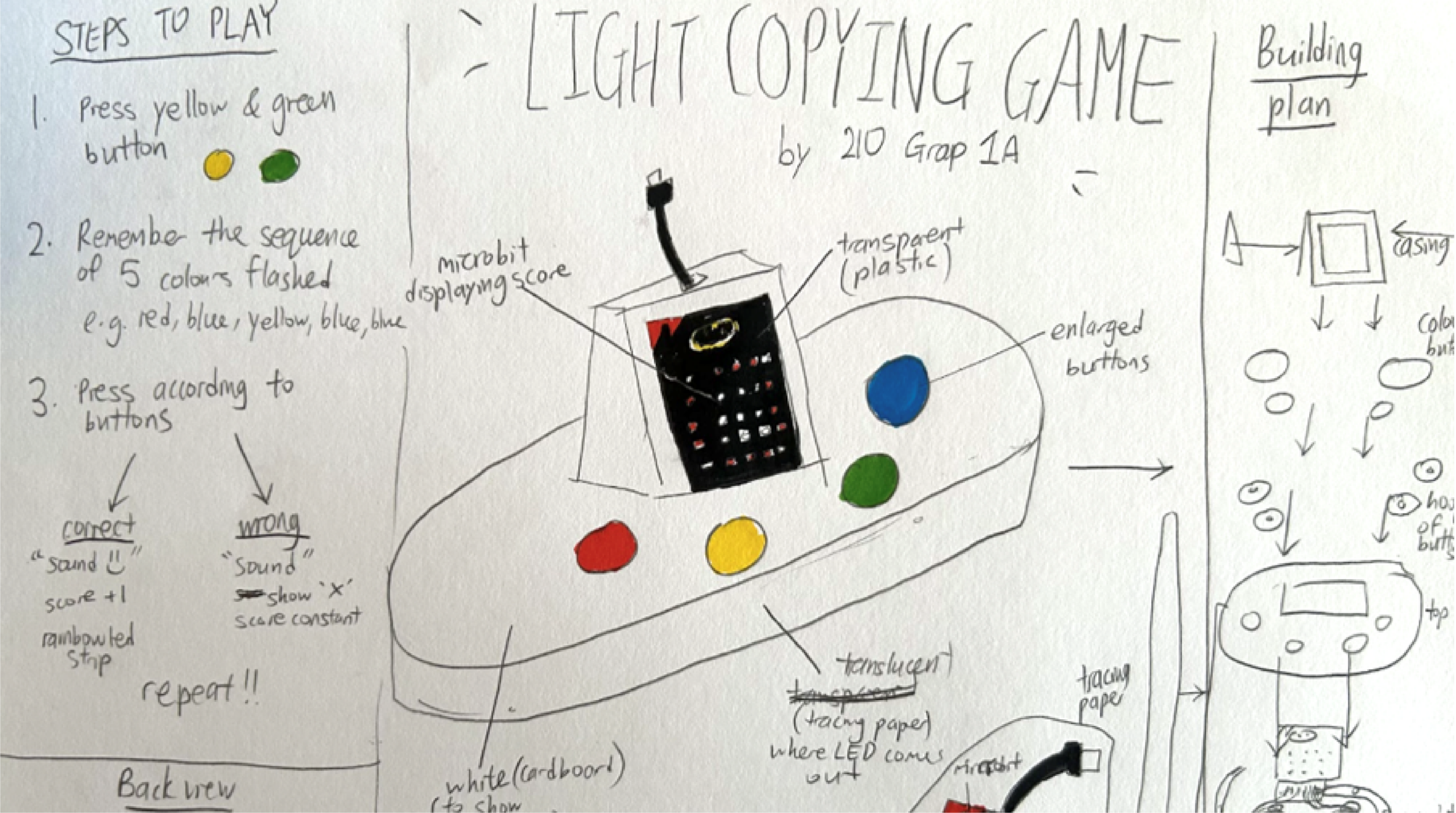
The completed prototype of the light-copying memory game. Photos by Nanyang Girls’ High School.
Co-teaching and industry mentorship model the same resilience for educators, who strengthened their collective capacity to innovate. By modelling tenacity in how they adapted their teaching methods, educators demonstrate to students that any problem can be taken on with creativity and innovation.
As educators, we have to be tenacious and willing to look back and look forward. The worst project can tell you a lot! There’s a silver lining in everything.
Michael Chang,Educator, Art and Makers
Nanyang Girls' High School
Beyond skills, the programme advances NYGH’s vision of nurturing agents of change. Community-based learning is embedded, and students visiting seniors to understand the challenges they face in everyday life. Translating the maker mindset into purposeful action, students collaboratively develop a prototype that can help or improve the lives of the seniors they meet.
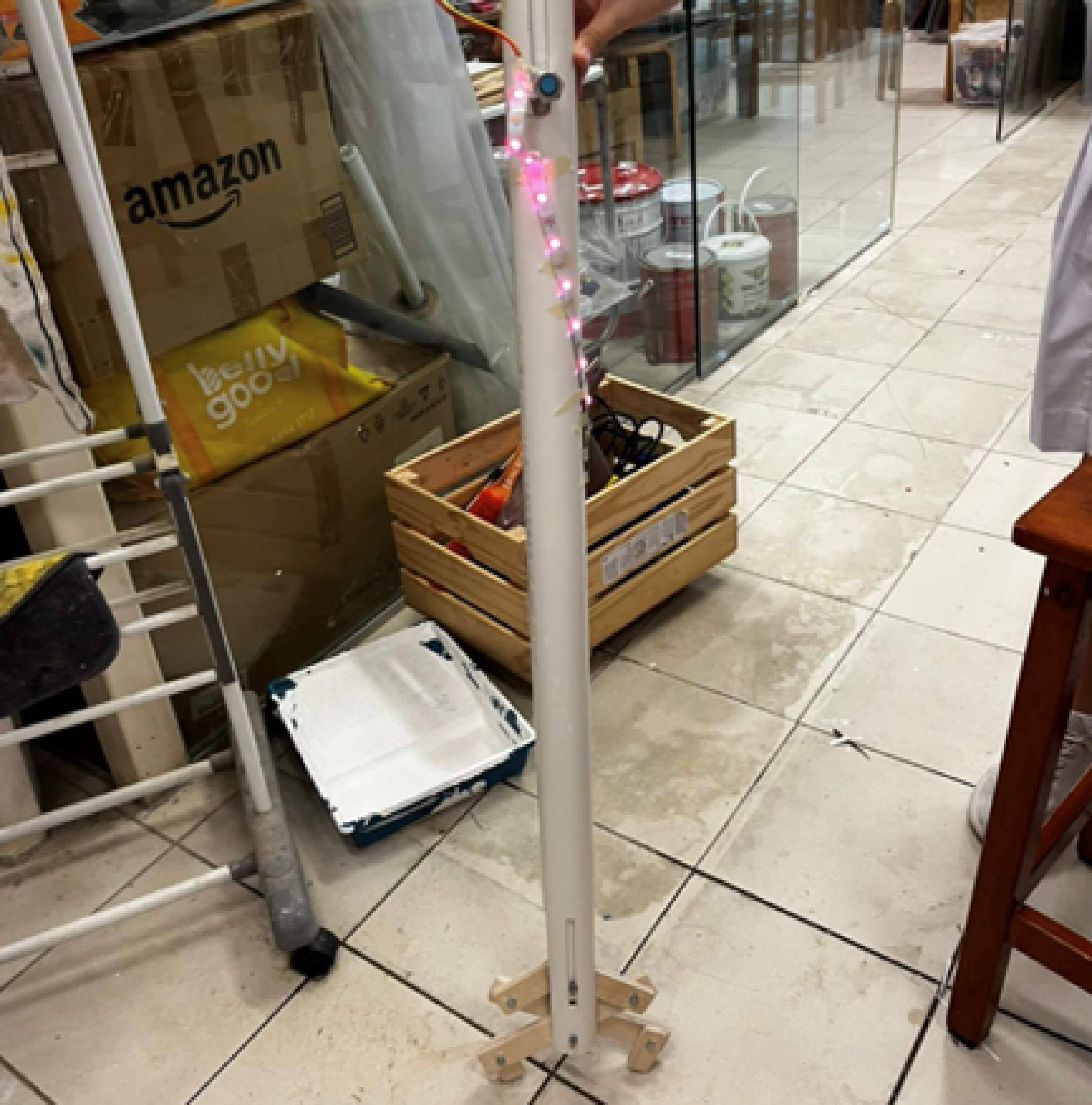
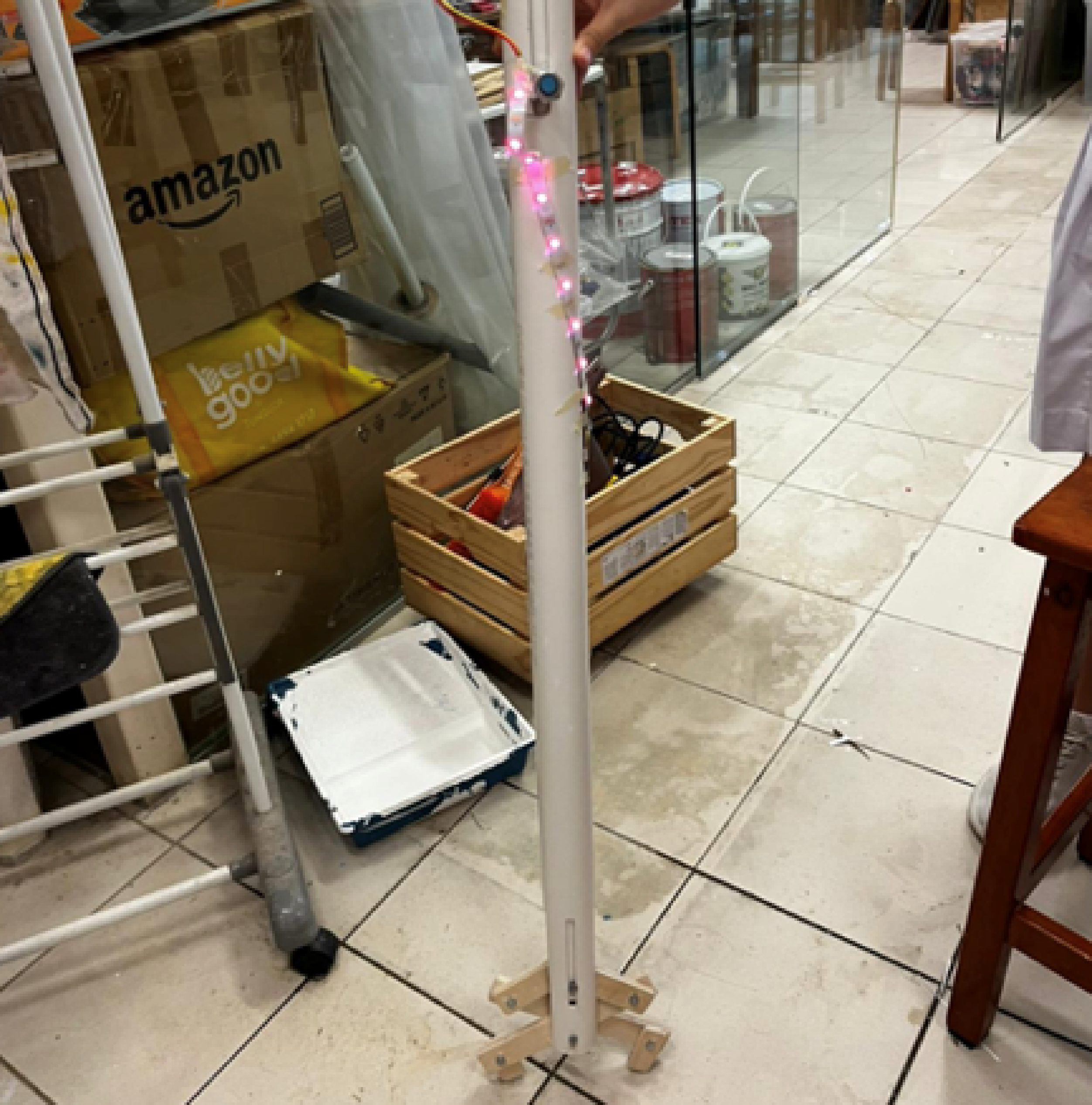
This multifunctional walking stick has a claw at its base, which is activated by a lever at the top. Photos by Nanyang Girls’ High School.
So what are some of the prototypes the Secondary 2 students have made? One group, despite being brand new to coding, created a memory game with LED lights in different colours. They flashed in a variety of sequences, and the player’s task was to input the correct sequence using coloured buttons.
Another group created a multifunctional walking stick. It had lighting attached to the main stem (which was made from PVC pipe) to illuminate dark areas. At its base was a mechanical plywood claw that enabled the user to pick up items from the floor without bending down.
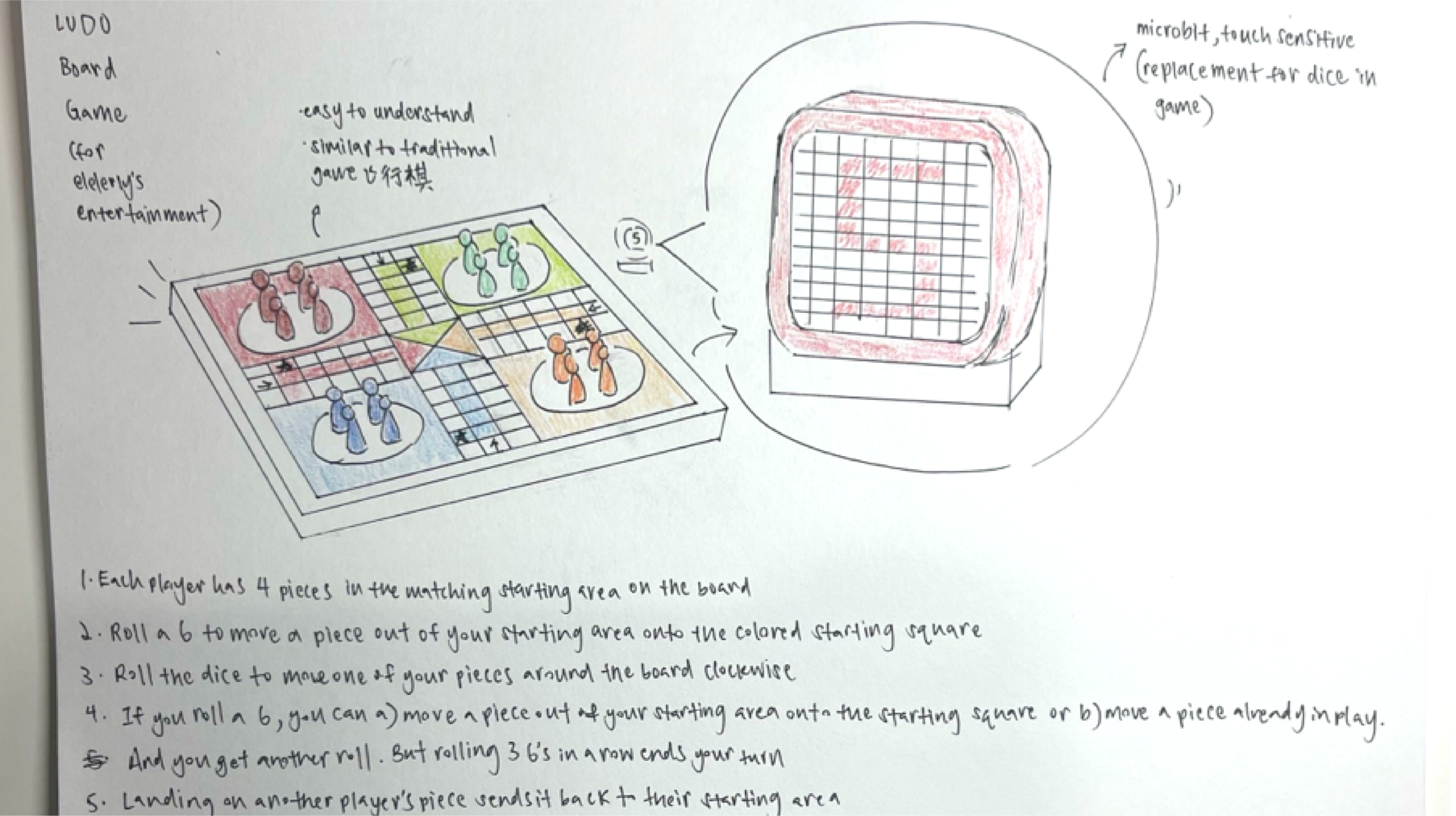
The designers of the “LUDO” board game created a set of rules to guide gameplay. Photo by Nanyang Girls’ High School.
One of the most well resolved projects was a board game with a micro:bit that functioned as a digital dice. It generated a random number each time you shake it. Following a set of rules, players raced to move their pieces from their homebases to their corresponding coloured triangles at the centre of the board.
They were impressed by the outcomes that shown the fusion of capabilities – from making, to design thinking, to people skills. Brought together and improved over two years, they added up to one principal ingredient: the tenacity to see things through.
I like that the maker class allows me to experiment with many different mediums – from wood, to cardboard, acrylic, and 3D printing – in order to allow the prototype to function best. I also like how maker lessons allow me to develop soft skills like leadership, responsibility, and resilience when working on projects.
Student
Nanyang Girls' High School
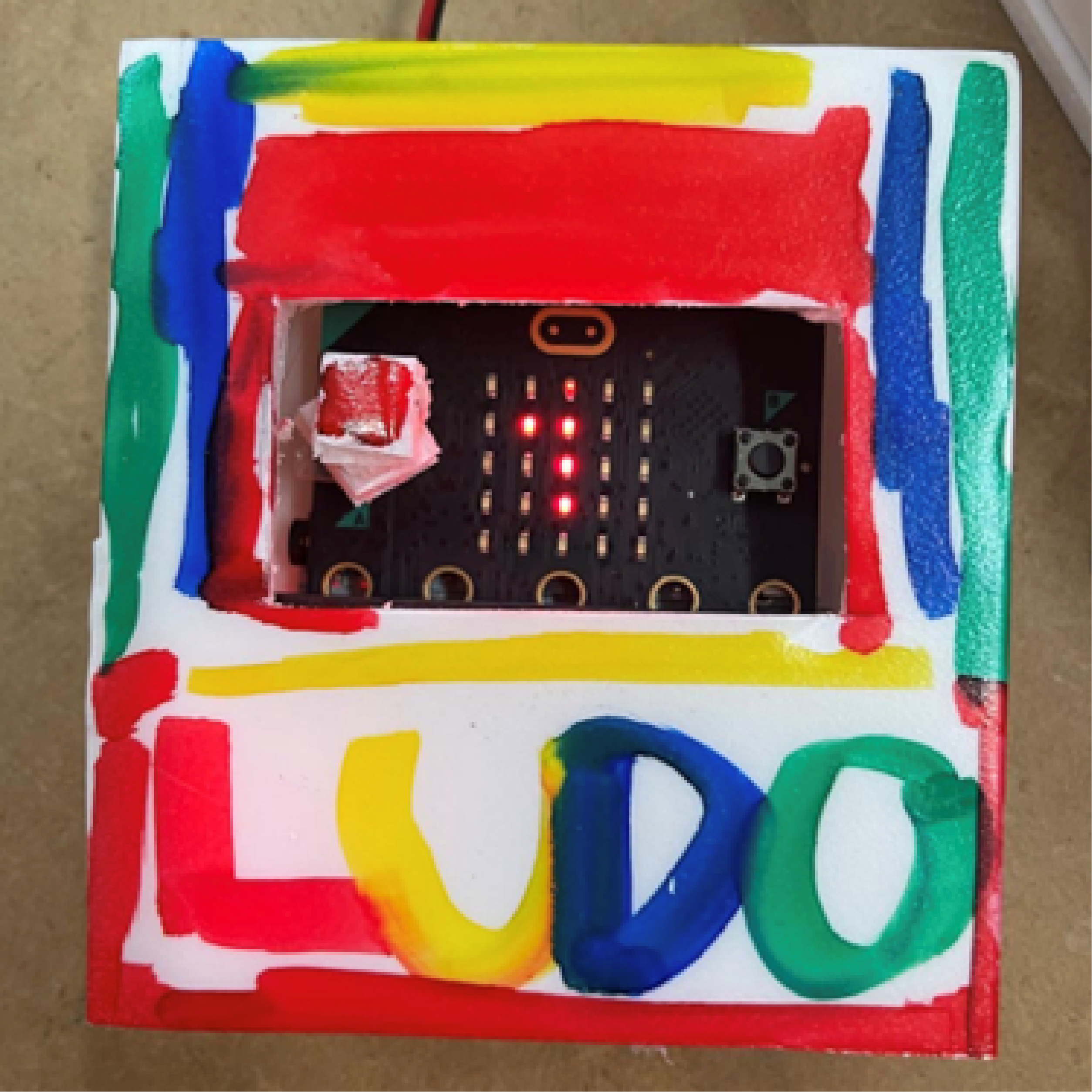
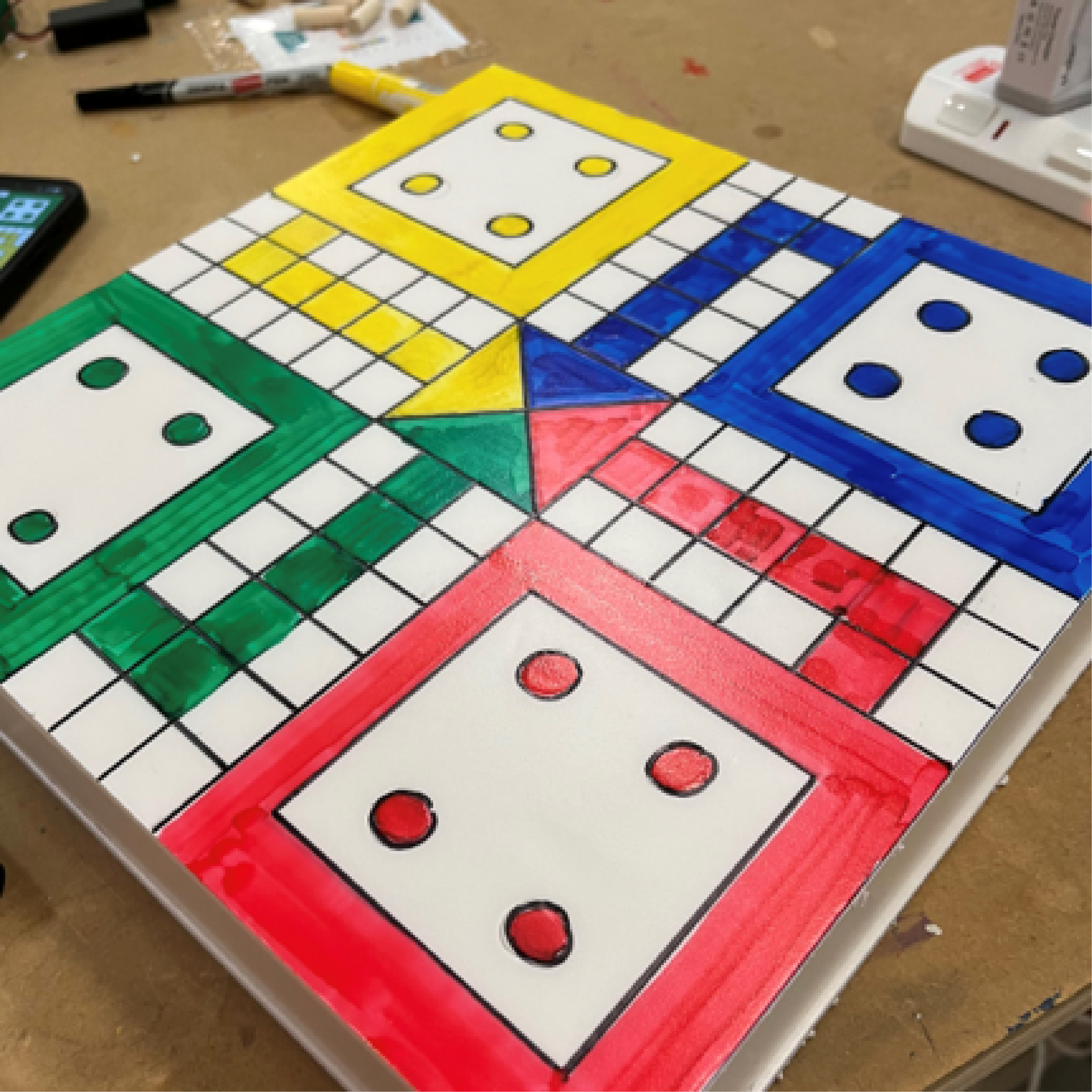
The “LUDO” board game consists of a digital dice (left) and a playing board (right). Photos by Nanyang Girls' High School.
1
Learning environment

Cohesive learning through experimental makerspace activities;
Learning designed to connect knowledge with lived experiences and character formation;
Culture of collaboration among students; and
Learning taken into real-world contexts.
2
Ecosystem support
Industry partnership with The Common Bench;
Capability building for educators through co-teaching and industry mentorship; and
Role-modelling by educators.
3
Pedagogy
Prototype creation to aid seniors;
Real-world project work; and
Guidance from educators through the design thinking process and prototype development.