





Can empathy spark courage for action?
Empathy is at the heart of impactful innovation. Raffles Institution (RI) students took design thinking into the community for their Values in Action (VIA) training. They turned empathy into human-centered solutions and compassionate action.
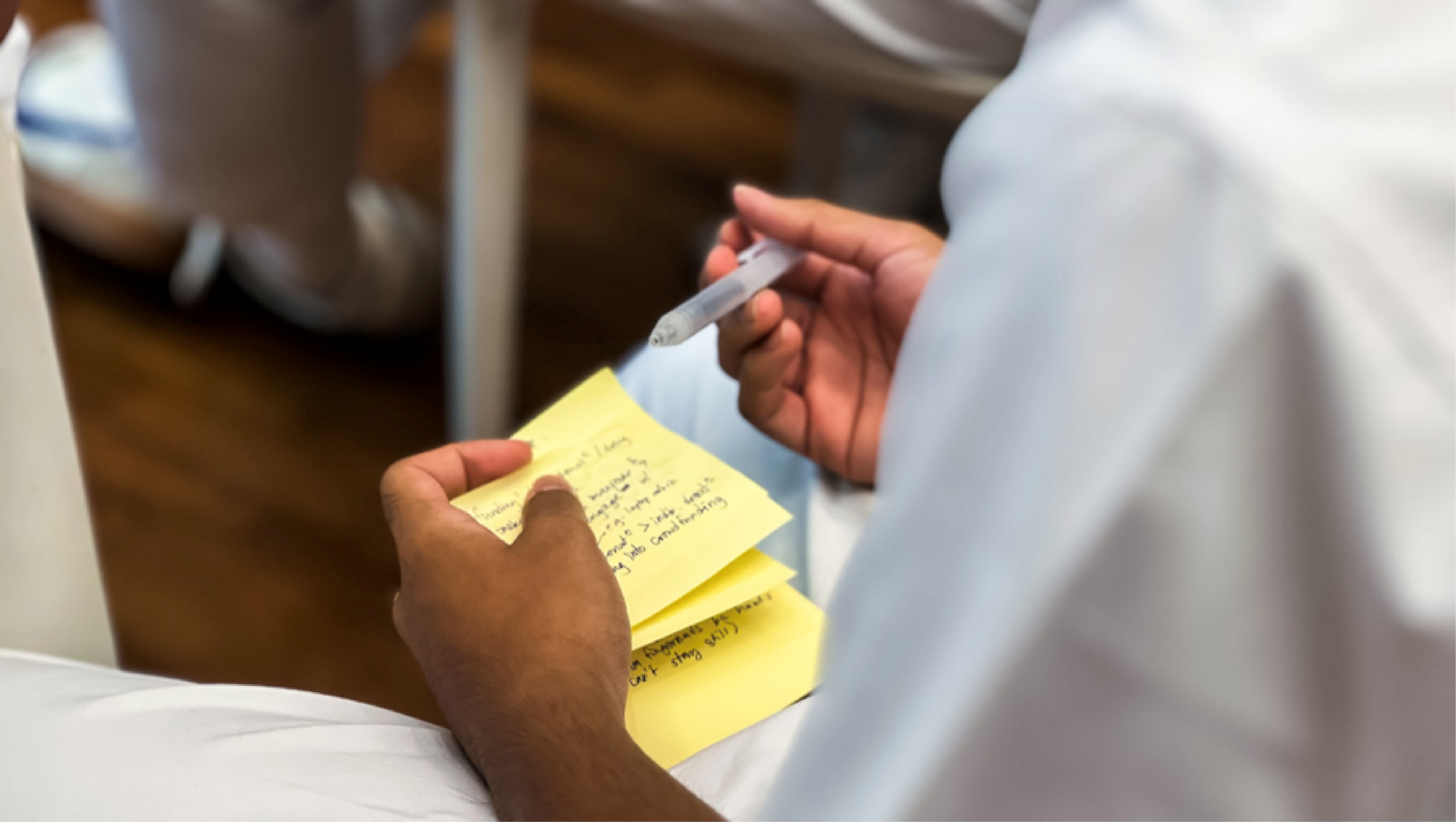
Students reported that their experiences helped them to understand more about the people in their community. This is essential for the development of empathy. Photo by Raffles Institution.


08 Aug 2026


Problem Statements
How can we foster genuine interest and agency to serve our communities as compassionate citizens?
How do the students at your school respond to their VIA training? At Raffles Institution (RI), educators noticed something that needed their attention. Despite the school’s best efforts to encourage a compassionate attitude among students, there was lack of deep engagement with VIA.
Why was it that many students saw VIA as something done “to them” rather than “by them”? RI realised that students were not applying a mindset of empathy. They were viewing VIA as a task to complete, not a lived experience that resonated. That had to change.
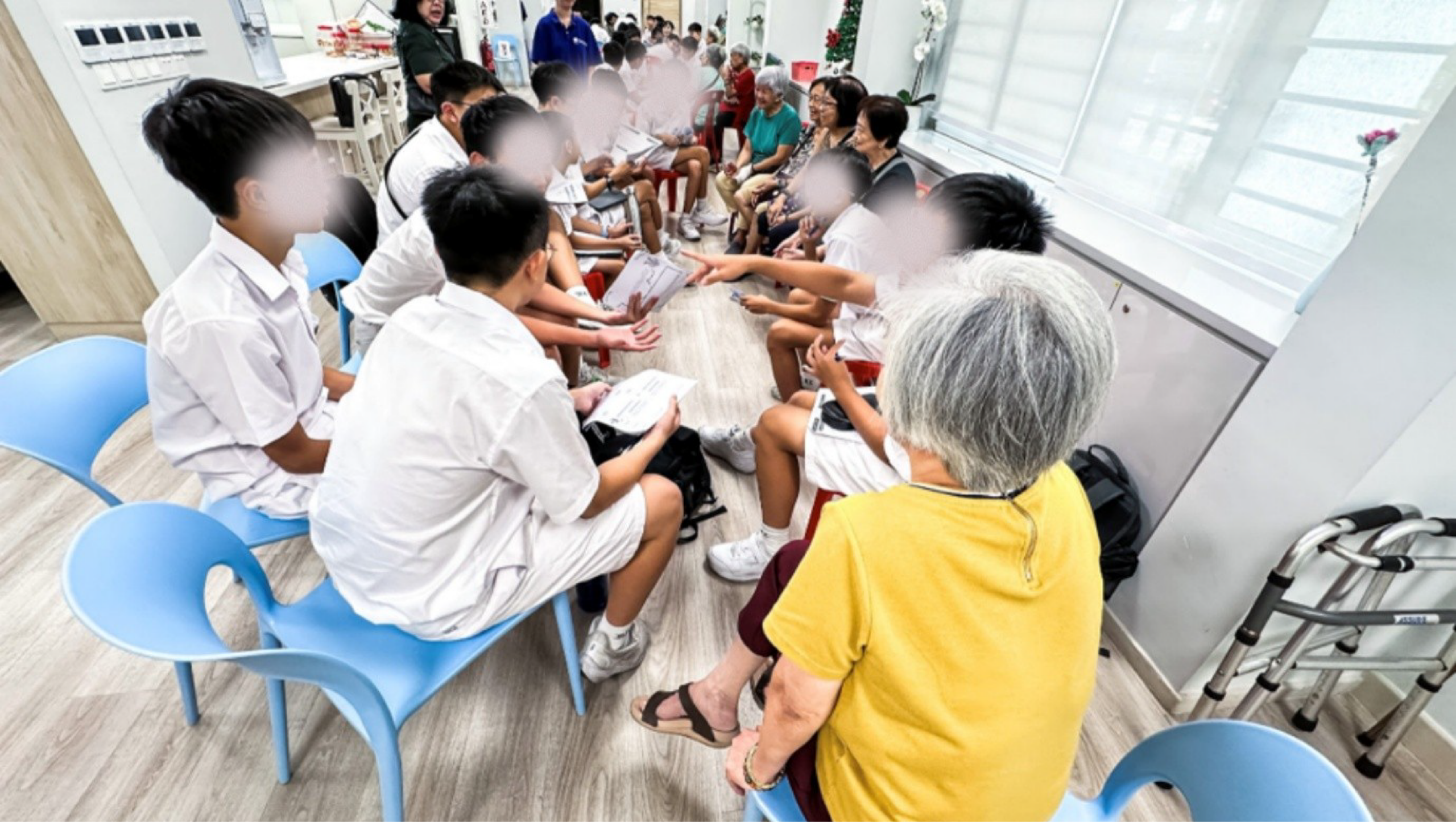
RI students visited over 30 community organisations in their local neighbourhoods, discovering people’s real needs and challenges first-hand. Photo by Raffles Institution.

With the support of the DesignSingapore Council’s Learning by Design programme, RI partnered with Crater. Their first strategy was to equip students with tools for seeing situations differently, through observation, interviews, and engagement.
Instead of rushing into solutions, students were encouraged to slow down and start noticing. This was the beginning of a beautiful empathic transformation.
Crater took Year 2 and Year 4 students out of the classroom and into the community to engage with people of the Jalan Pemimpin and Bishan Central neighbourhoods. While Year 2 students participated in intergenerational befriending, Year 4 students were uncovering people’s real needs through a variety of community organisations.
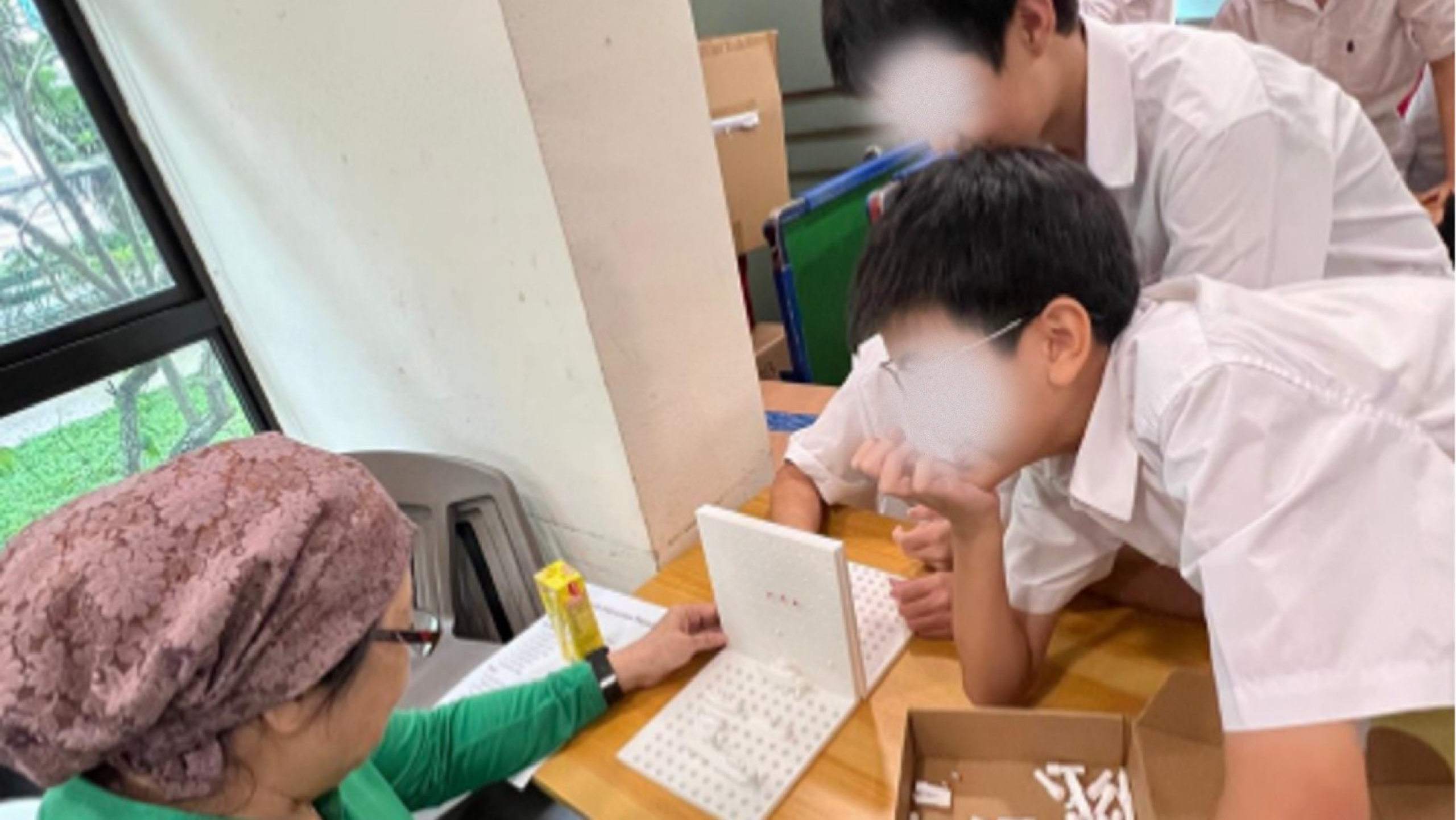
Year 2 students practised befriending across generations. Their activities included games of Battleship using 3D-printed game sets. Photo by Raffles Institution.
The older students were given the opportunity to choose which organisations to engaged with. This sense of autonomy and agency deepened their sense of ownership of their VIA work and ignited their curiosity. Educators observed that students’ appreciation for being trusted to choose the issues that they cared about. For them, empathy had shifted from something abstract to something personal.
The Year 4 students met with over 30 organisations – from the Down Syndrome Association to the tech and engineering charity Engineering Good. These encounters – a first for many of the students – gave them unfiltered perspectives from real people who dealt with real challenges. This was their most interactive VIA experience to date, and it gave them highly transferrable skills.
Observations helped students realise that problems were much messier in real life than they appeared on worksheets in the classroom. The experience was powerful – so much so that students began to ask for even more hands-on encounters in the community. Empathy had fuelled curiosity, inspired commitment, and become a driver of new insights.
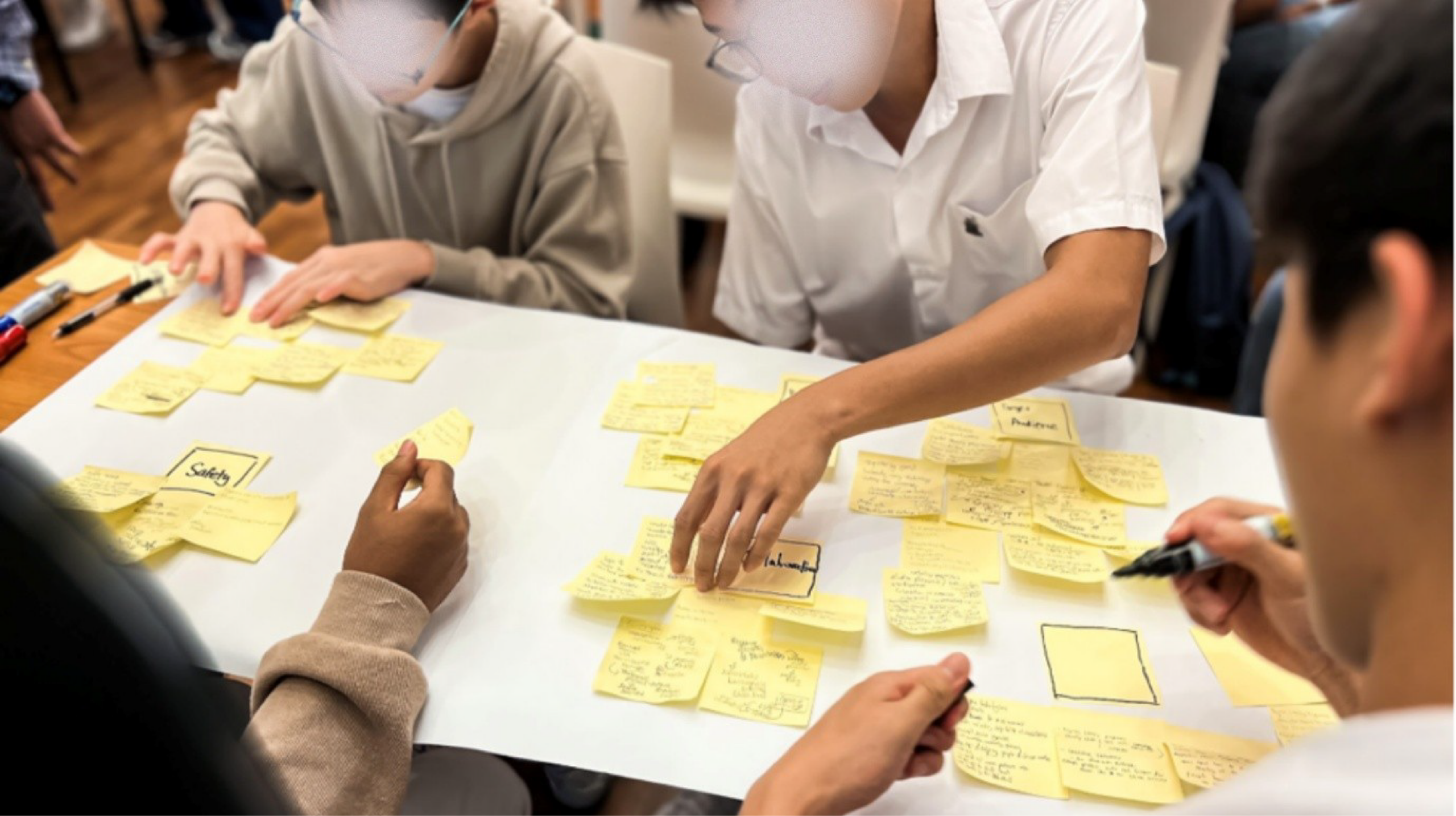
Their first-hand learning enabled students to produce deeper insights than they had in the past. Photo by Raffles Institution.
Back at school, students worked together to make sense of insights, spot patterns, and prototype solutions. Because of their first-hand experiences, they produced richer observations, sharper problem statements, and more human-centred solutions than they had in the past. They were no longer simply designing for communities, they were designing with them.
Sustaining the newfound sense of curiosity and care through weeks of research and analysis was the most difficult part of the process. Educators realised that keeping the flame of empathy alive meant it had to be revisited through reflection, storytelling, and sharing.
The continual reinforcement of an empathetic mindset helped the students retain focus on co-designing solutions that met real community needs. By the end of the project, it was clear that RI students weren’t just learning to be better designers, they were also learning to be more compassionate citizens.
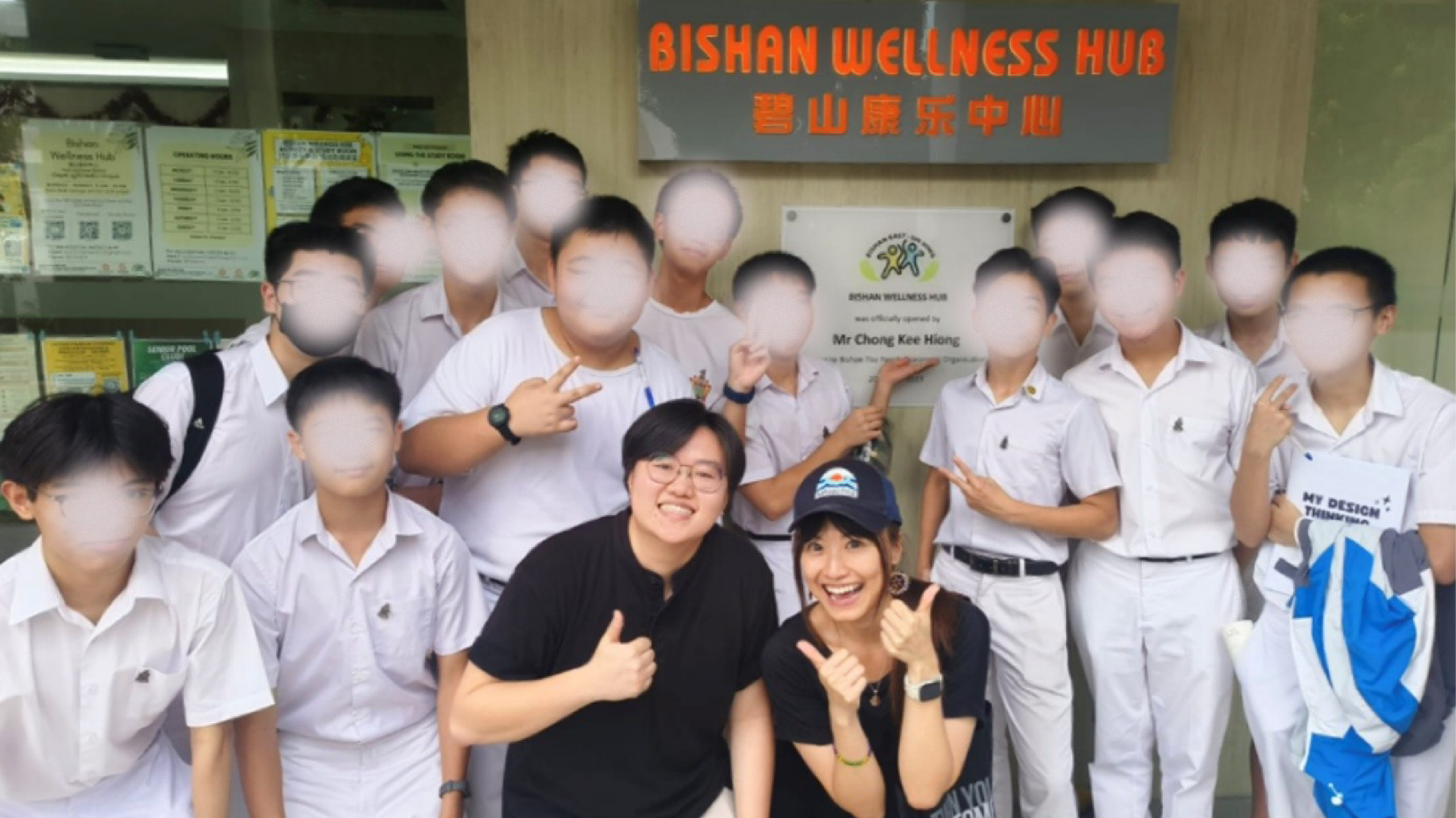
Year 4 students from RI shifted their mindsets about caring for the community by practising empathy. Photo by Raffles Institution.
I will try my best to understand the community’s needs and dedicate my time and effort into improving their quality of life.
Student
Raffles Institution
I’m inspired to try to give back to the community. Seniors are so much more than people who are old.
Student
Raffles Institution
We enjoyed the engagement with real-world non-profit organisations and the ability to decide on projects that best suited us.
Student
Raffles Institution
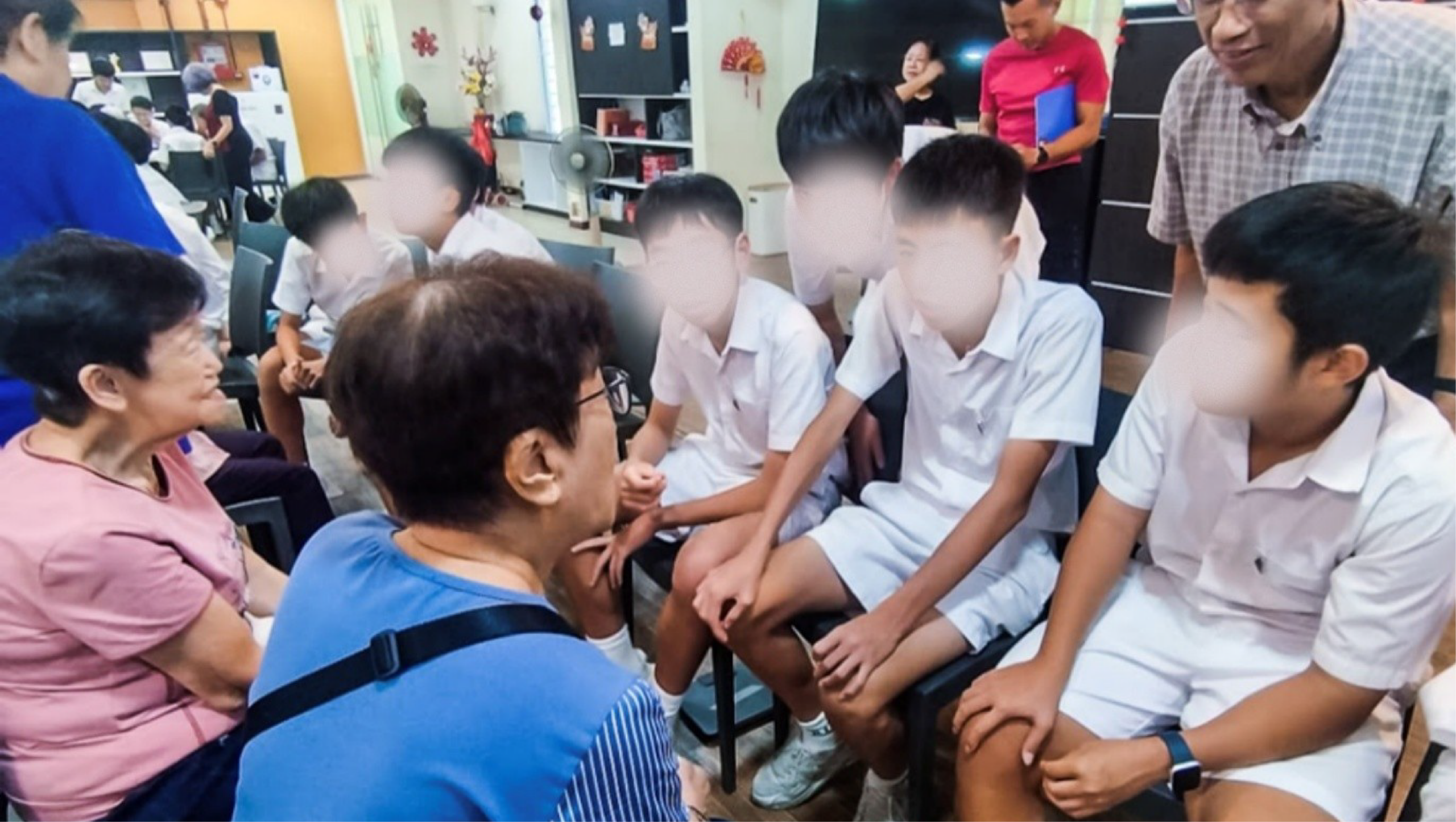
Interacting with their community was a powerful motivator for the students. It led to a different attitude – the will to really make a difference. Photo by Raffles Institution.
1
Learning environment

Learning designed to connect knowledge with lived experiences and character formation;
Learning taken into real-world contexts; and
A participatory and reflective culture – bring out student agency and giving them an authentic purpose to make a difference.
2
Ecosystem support
Industry partnership with Crater; and
Participation of community an array of community organisations.
3
Pedagogy
Real-world project work embedded in the community;
Collaborative learning experiences that foster empathy and community building; and
Community-based activities tailored to the developmental needs of different year groups.