








Optimism! It’s A Powerful Ally
At Temasek Secondary School (TMS), optimism isn’t seen as naïve. It’s embraced as a necessary part of overcoming challenges. Discover the inspiring story of how TMS cultivated a courageous, optimistic mindset in students and educators.
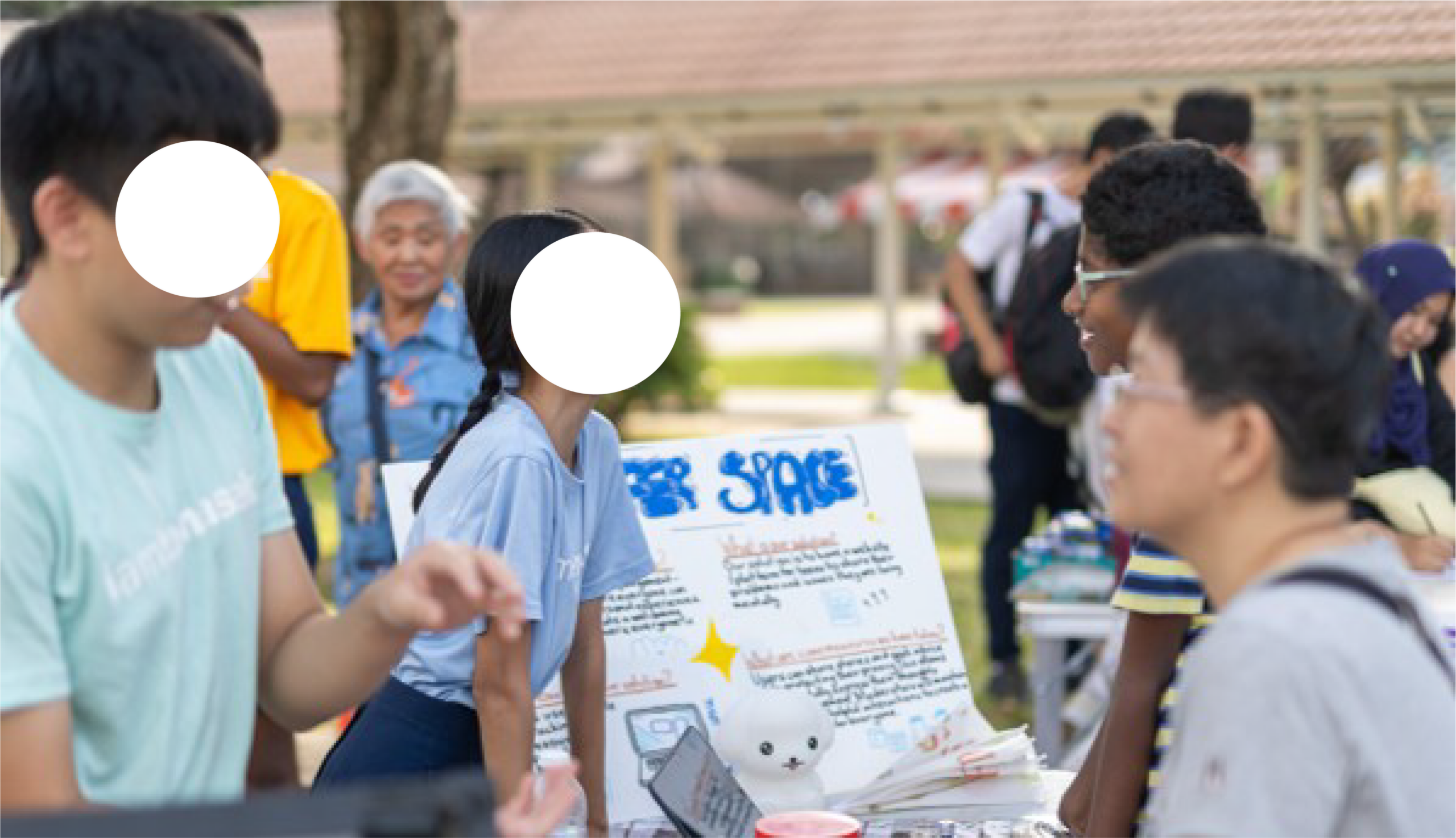
TMS students have shared their “Innovation in Healthcare” projects with the community on annual Park(ing) Days since 2023. Photo by Temasek Secondary School.


08 Aug 2026


“What can I do? I’m just 14.” At TMS, such pessimistic thoughts about personal agency have been turned on their heads. How? The breakthrough came when the school introduced changes to its signature Temasek Ignis Programme (TIP). Nurturing a design mindset was the key to fanning the flames of optimism!

TIP was introduced back in 2016 as a holistic leadership development programme. Its goal is to stretch students’ capacities in terms of intellect and character. By 2023, the school was eager to tie in greater emphasis on the emerging 21st century competencies (E21CC) identified by the Ministry of Education.
What is a powerful pathway to developing the multifaceted E21CC? As TMS recognised, design thinking is ideal because of its holistic impact. “Design thinking matters because it grows both thinkers and changemakers,” acknowledges TMS. So, programme partner Bold At Work was engaged through the Learning by Design initiative to mentor students and educators in how to develop a design mindset.
A yearly Secondary 2 project called “Innovation in Healthcare” was the vehicle for introducing design thinking to TIP. The focus on healthcare was strategic. It’s a complex and deeply human issue, so it would need to be tackled with a thoughtful, iterative approach. But the first instinct of many Secondary 2 students was to jump quickly to solutions.
“Some students lacked creative confidence, others struggled to work collaboratively, and many were pressed for time. The biggest challenge was this: They could not yet see how optimism could help them grow through these obstacles,” recalls an Educator.
Before this project, I thought people our age couldn’t do much. But I learned even small ideas can make a difference. Optimism taught me we have a bigger role to play in helping our community.
Hanshika, Secondary 2 student
Temasek Secondary School
Bold At Work trained students and educators in design thinking. After that, the partner introduced techniques such as sensing journeys, meet-the-practitioner sessions, and prototyping through the active practice of trying, failing, and refining. User needs statements and “How might we …” questions helped students to flip their thinking.
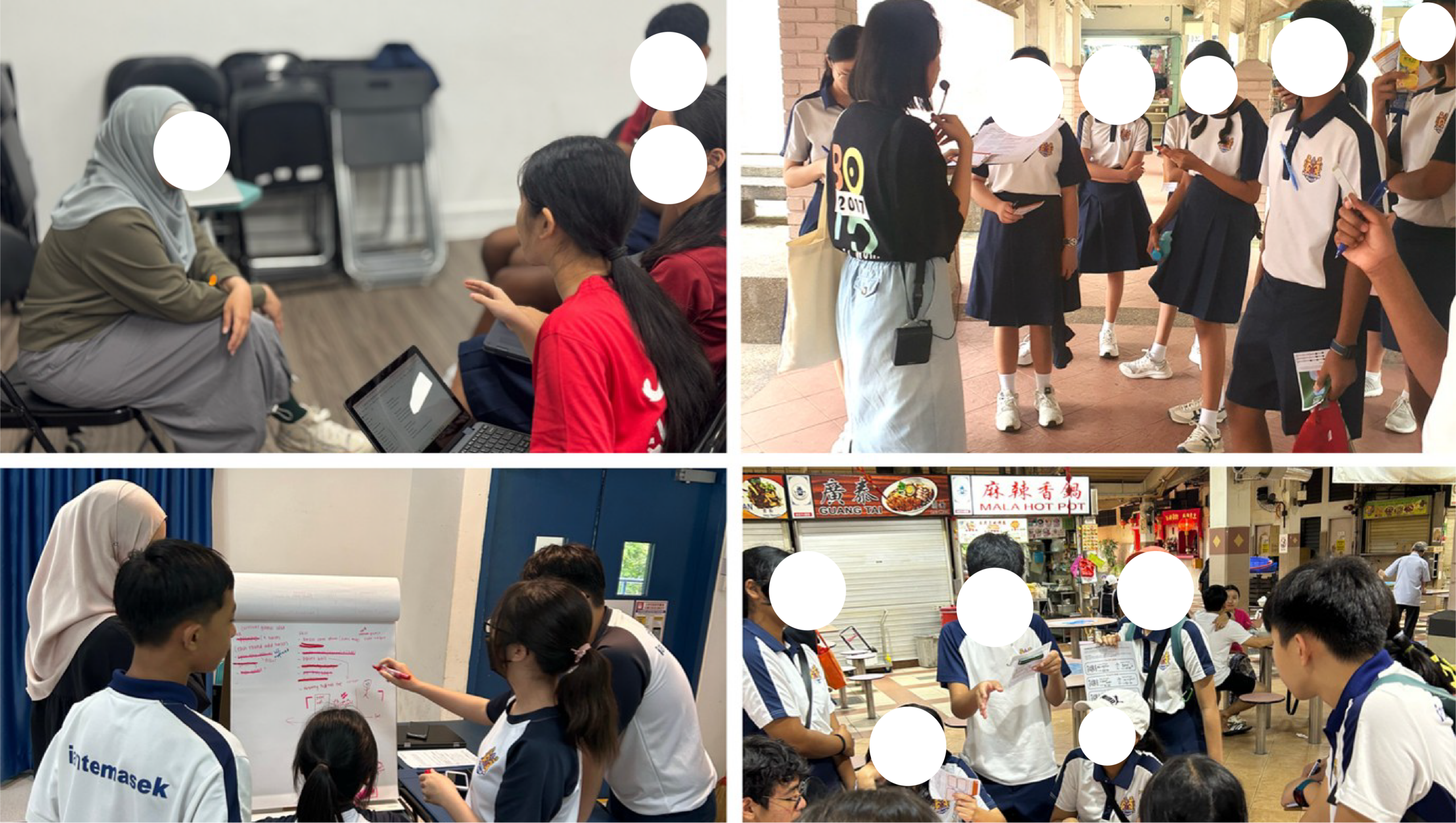
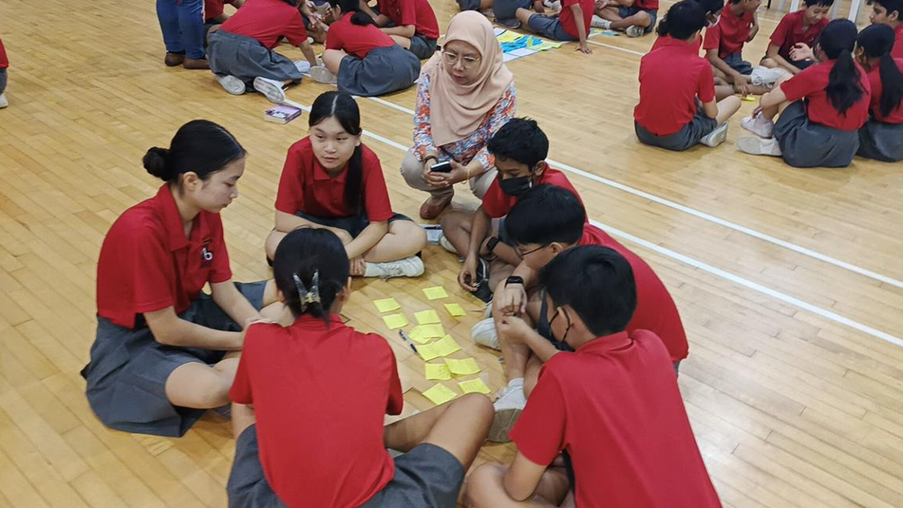
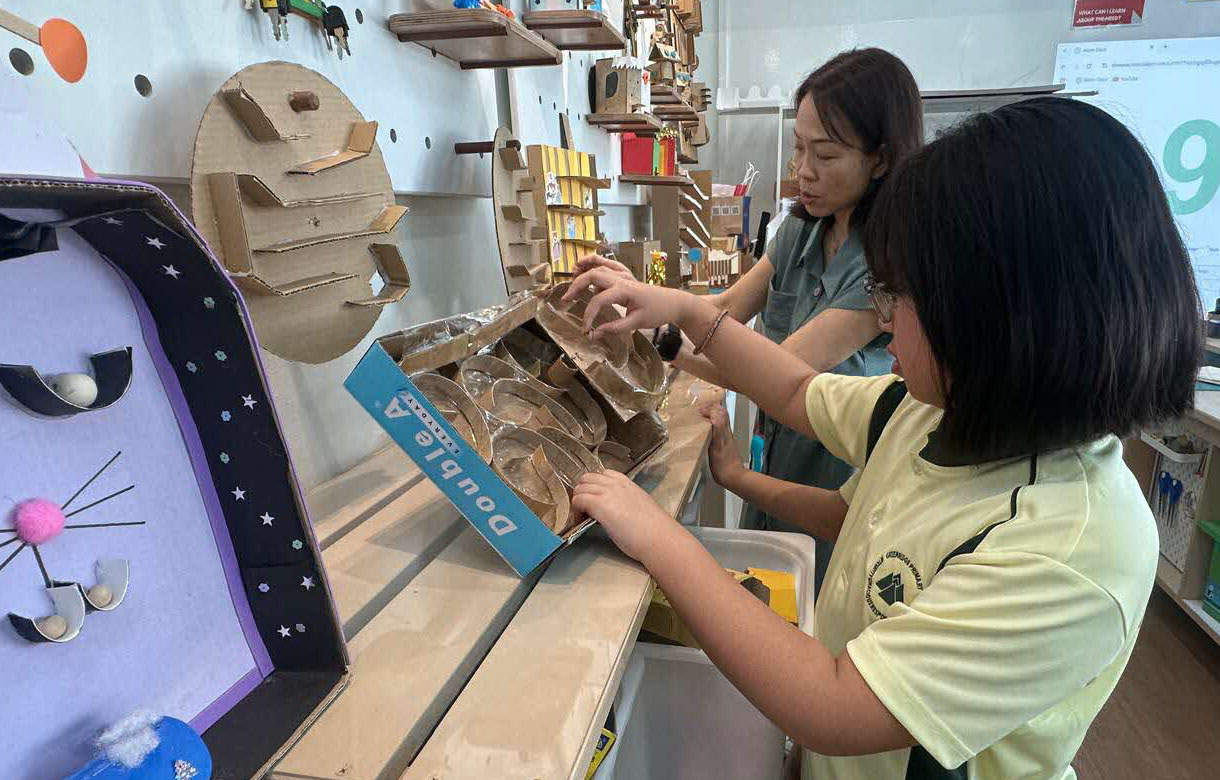
Meet-the-practitioner sessions, sensing journeys, and group brainstorming activities helped students discover that in every story lies an opportunity. Photos by Temasek Secondary School.
At first, I was scared of failing. But design thinking showed me failure is part of the process. With optimism, I focused on trying and improving each time.
Alice, Secondary 2 student
Temasek Secondary School
Students began to see possibilities where, before, they only saw problems. Healthcare issues no longer seemed unsolvable. “Students felt they had permission to explore without the fear of being wrong,” says an Educator. From “What can I do?” the question became “What if we tried this?”
By exploring healthcare issues in Singapore, [our students] came to see that real-world challenges are often complex and multi-layered, and that solutions are rarely straightforward. At the same time, they realised that everyone has a role to play in contributing to meaningful change.”
Ms Huda, Educator
Temasek Secondary School
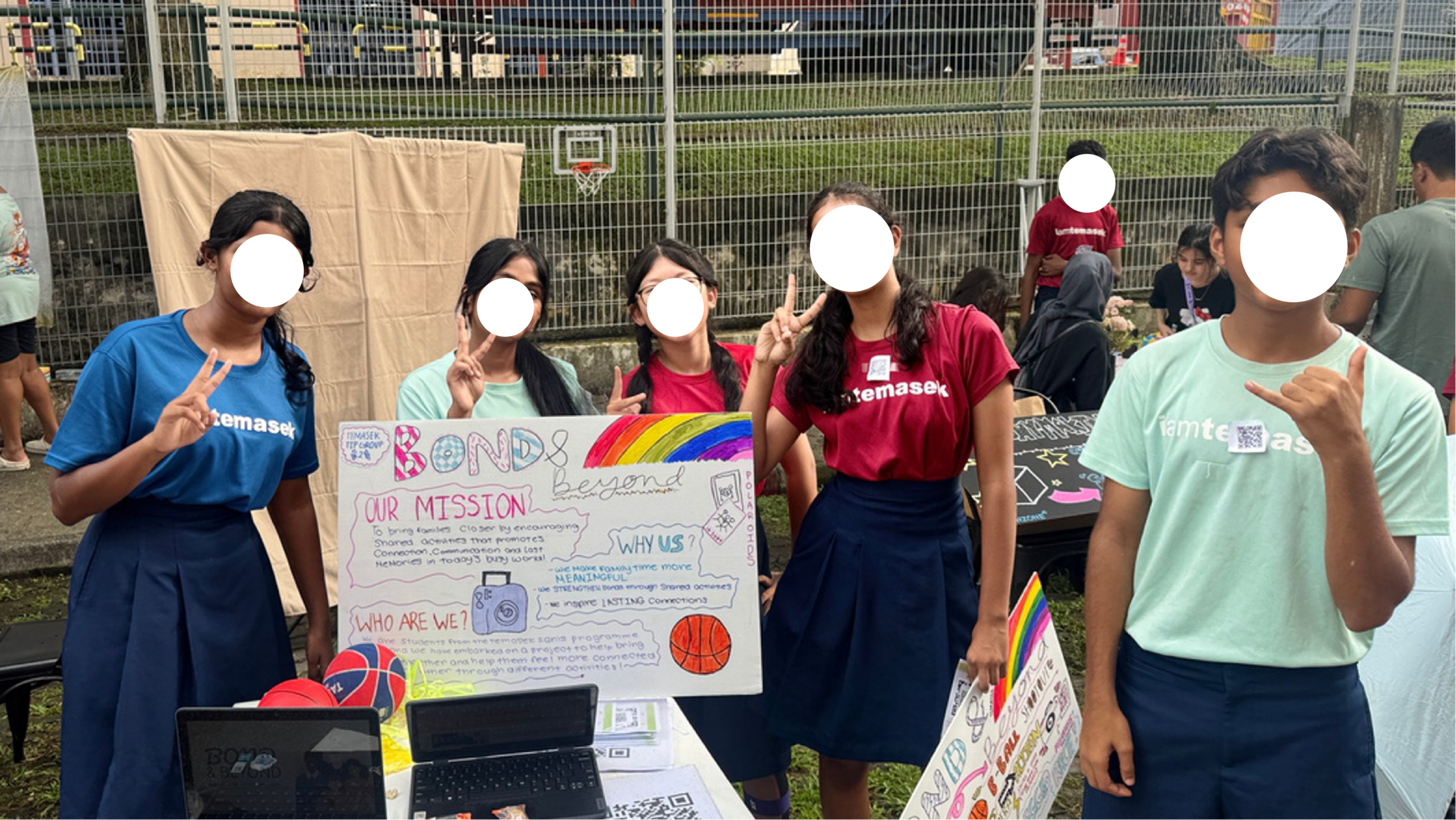
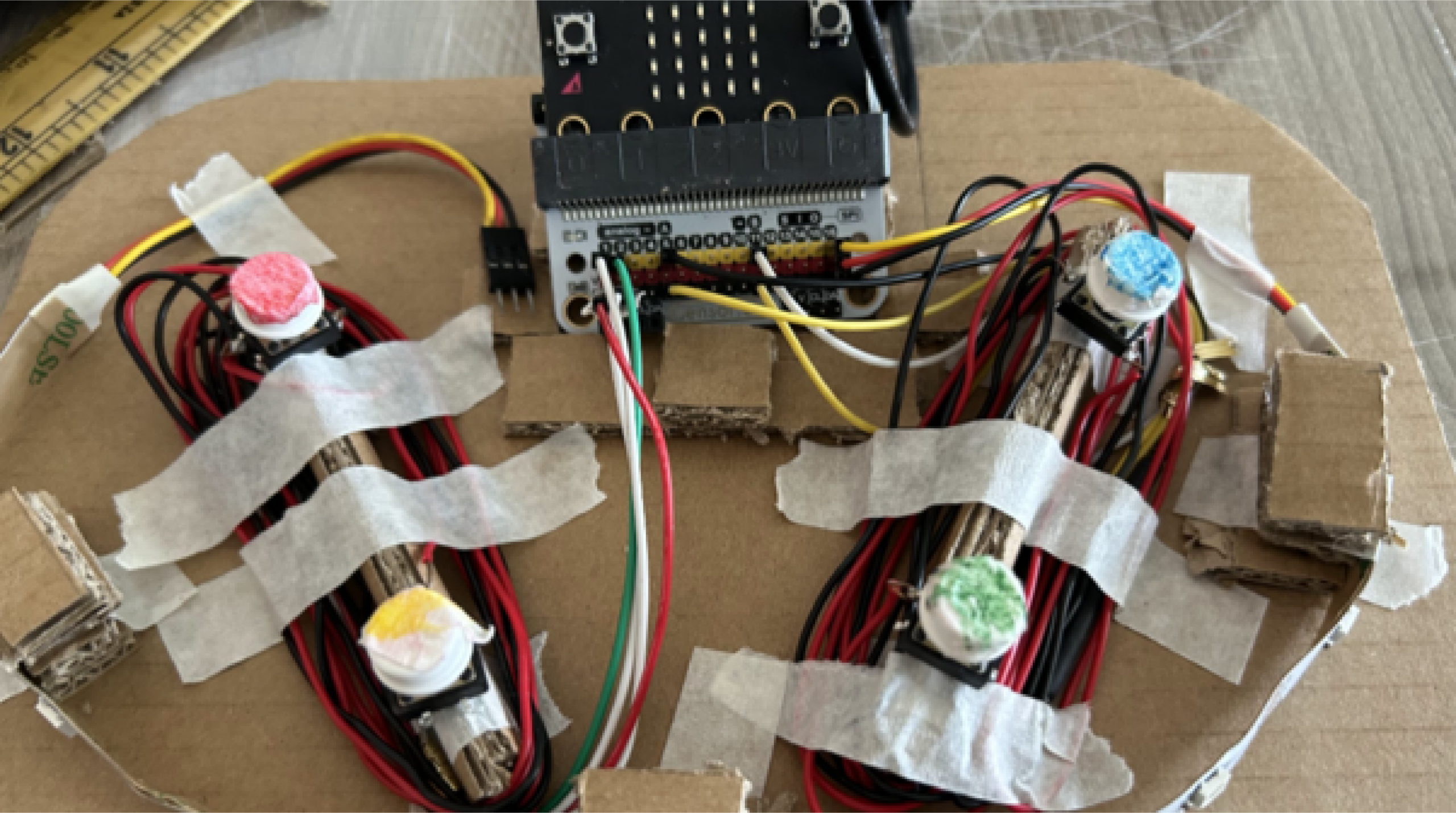
The “Innovation in Healthcare” project gave TMS students a sense of agency. With optimism, they began to see that change can start with them. Photo by Temasek Secondary School.
The journey was rewarding for educators, too. After their training in design thinking in 2023, they courageously took the leap and trained the students themselves in 2024. By 2025, educators were making their own adjustments to the training materials for optimal alignment with their students’ specific needs.
Through their own growth, educators successfully role-modelled courage and optimism as they guided students through authentic experiences. For both educators and students, optimism became a habit of creating possibilities – not waiting for them. The results were powerful.
“Each year, new student projects emerged, but the outcomes were consistent,” says an Educator. The Educator continues, “Students grew in optimism, inventive thinking, and communication skills.”
Educators saw how optimism nurtured resilience, collaboration, and students’ belief in possibility. This was perfectly aligned with the new emphasis on E21CC in the programme.
The students’ optimism gave them courage to step forward, to contribute something tangible, and to realise they had a role in shaping community wellbeing.”
Educator
Temasek Secondary School
The growing confidence of students was on full display when they showcased their projects to the public during annual Park(ing) Days. They engaged strangers – seniors, parents, and children – explaining, persuading, and learning in return.
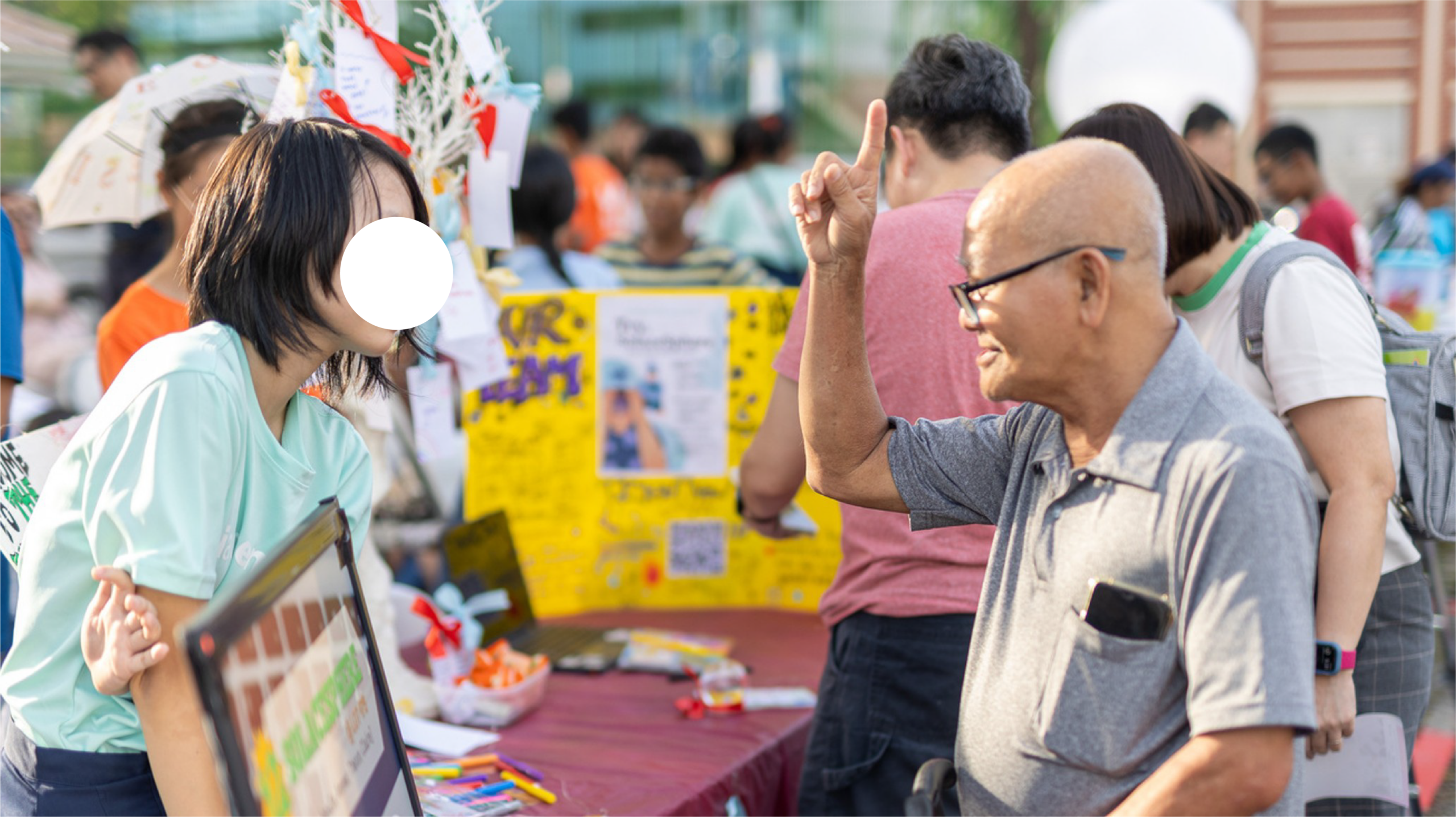
Themes addressed by TMS students in their “Innovation in Healthcare” projects have included social connection, mental health, exercise, and healthy eating. Photo by Temasek Secondary School.
Ultimately, as a result of embedding design thinking into TIP, both students and educators discovered that their ideas have power, and with consistent effort, they can create change. As an Educator aptly puts it, “This journey showed us that optimism is not a one-off spark – it is cultivated through consistent exposure, reflection, and practice.”
Naïvety? Far from it! Optimism is necessary for the 21st century.